Anchovies
Nutritional information per 100 grams
Nutrition Facts
| Calories | Protein | Fat | Carbs | Sugar | Fiber |
|---|---|---|---|---|---|
| 210 | 29g | 9g | 0g | 0g | 0g |
Highlights
Coming soon
About This Meat
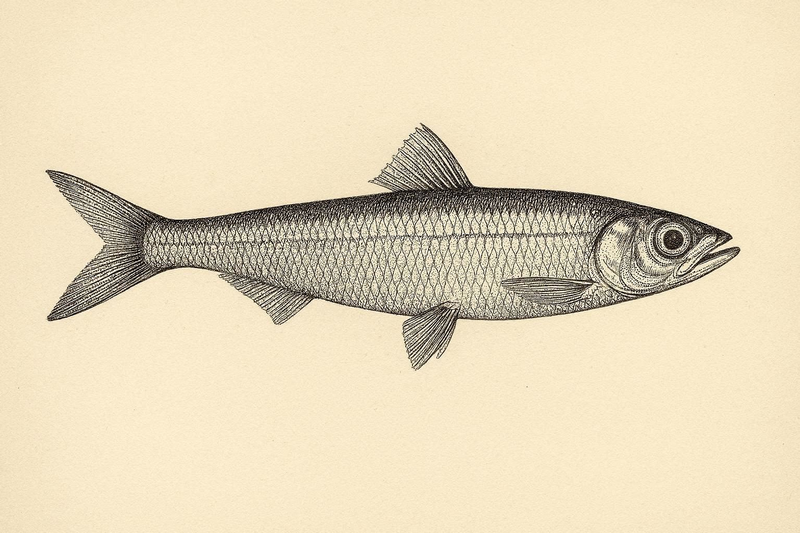
Anchovies are small, oily fish with an outstanding concentration of nutrients relative to their size and caloric load. They are among the richest dietary sources of long-chain omega-3 fatty acids, specifically EPA and DHA, which are essential for neurological development, cardiovascular function, and the regulation of inflammatory pathways. The protein content is substantial and complete, providing all essential amino acids in proportions that support tissue maintenance and metabolic function. Anchovies are one of the most concentrated food sources of vitamin B12, a nutrient critical for myelin sheath integrity, DNA synthesis, and red blood cell maturation. They contain high levels of niacin, which is involved in NAD+ production and cellular energy metabolism. Selenium is present in notable quantities and supports glutathione peroxidase activity, a key enzymatic defense against oxidative stress. Anchovies provide calcium and phosphorus in forms that contribute to bone and tooth mineralization, particularly relevant in dietary patterns that exclude dairy. Iodine is present and supports thyroid hormone synthesis and the regulation of basal metabolic rate. Coenzyme Q10 is found in oily fish, including anchovies, and contributes to mitochondrial electron transport efficiency. Vitamin D is present in modest amounts and supports calcium absorption, immune modulation, and musculoskeletal integrity. The heme iron content supports erythropoiesis and oxygen-carrying capacity. Their small size means anchovies are consumed whole, including bones in many preparations, which increases the bioavailable mineral density per serving. The overall nutrient-to-calorie ratio of anchovies is among the highest of any animal food, making them a highly efficient contributor to micronutrient sufficiency in carnivore-aligned dietary frameworks.
Vitamins & Nutrients
- Omega-3 Fatty Acids (EPA and DHA): 2,000mg (neurological membrane integrity, cardiovascular support, inflammatory response regulation)
- Selenium: 36.5mcg (antioxidant enzyme activation, thyroid hormone metabolism, immune defense)
- Calcium: 232mg (bone and tooth mineralization, muscle contraction signaling, nerve transmission)
- Iron: 3.25mg (oxygen transport, red blood cell synthesis, metabolic energy production)
- Phosphorus: 174mg (bone structure, ATP synthesis, cellular repair)
- Potassium: 383mg (electrolyte balance, cardiovascular function, muscular contraction)
- Magnesium: 41mg (enzyme activation, ATP production, nervous system regulation)
- Niacin (B3): 14mg (cellular energy metabolism, NAD coenzyme production, nervous system support)
- Vitamin B12: 0.6mcg (neurological function, DNA synthesis, red blood cell formation)
- Riboflavin (B2): 0.26mg (energy production, cellular growth, metabolic coenzyme activity)
- Vitamin B6: 0.14mg (protein metabolism, neurotransmitter production, amino acid processing)
- Vitamin D: 69IU (calcium absorption regulation, immune modulation, skeletal support)
- Zinc: 1.7mg (immune signaling, tissue repair, enzymatic function)
These values are approximate and can vary based on factors such as the specific cut of beef and cooking method.