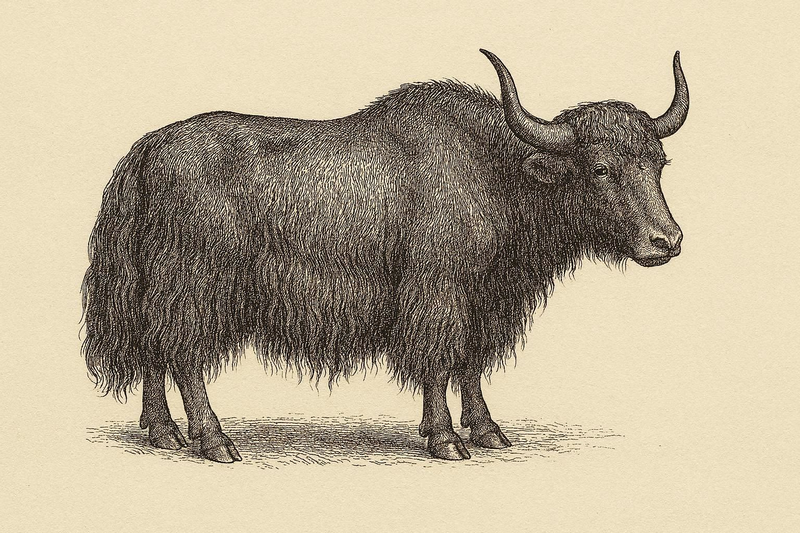
Yak
Nutritional information per 100 grams
Nutrition Facts
| Calories | Protein | Fat | Carbs | Sugar | Fiber |
|---|---|---|---|---|---|
| 146 | 28g | 3g | 0g | 0g | 0g |
Highlights
Coming soon
About This Meat
Yak is a ruminant meat sourced from high-altitude domesticated and semi-wild bovine populations, primarily across Central Asia and the Himalayan plateau. It is characterized by a lean macronutrient profile, with high protein content and relatively low total fat compared to conventional cattle, while still maintaining the complete amino acid spectrum required for human physiological function. The fat that is present in yak meat tends to be compositionally distinct, with elevated concentrations of polyunsaturated fatty acids, including omega-3 fatty acids, attributable to the animal's natural grazing of alpine grasses and herbs. This fatty acid profile positions yak as a ruminant meat with a favorable omega-3 to omega-6 ratio, which supports systemic balance across inflammatory and resolving pathways. Yak is a meaningful source of heme iron, zinc, and selenium, all of which are critical for oxygen delivery, immune regulation, and antioxidant enzyme function respectively. B12 is present at levels consistent with other ruminant meats and is essential for neurological integrity and red blood cell maturation. Niacin and riboflavin contribute to cellular respiration and the conversion of macronutrients to usable energy within mitochondrial pathways. The protein density of yak supports muscle protein synthesis, tissue maintenance, and nitrogen balance, particularly relevant in high-demand physiological states such as physical training or recovery. Carnosine and creatine are found in yak skeletal muscle and serve intracellular roles in pH buffering, antioxidant activity, and short-duration energy availability. Phosphorus and potassium are present and contribute to bone structural integrity, membrane potential, and cardiovascular electrical function. Because yak are raised without the use of concentrated grain feeds in most traditional contexts, their meat reflects a nutrient composition shaped by a natural, diverse forage diet. The caloric efficiency of yak is high relative to its protein yield, making it a useful food for populations and individuals prioritizing lean protein with micronutrient density. Yak represents an underutilized but nutritionally substantive ruminant option within animal-based dietary frameworks.
Vitamins & Nutrients
- Cholesterol: 50mg (hormone biosynthesis, bile production, neural membrane support)
- Sodium: 55mg (osmotic pressure balance, nerve impulse generation, hydration regulation)
- Potassium: 330mg (cardiac rhythm maintenance, intracellular fluid balance, muscle contractility)
- Iron: 2.6mg (hemoglobin oxygen binding, myoglobin support in muscle tissue, metabolic energy)
- Zinc: 4.5mg (immune activation, protein synthesis, wound healing, enzymatic function)
- Selenium: 18mcg (glutathione peroxidase support, thyroid function, oxidative stress defense)
- Vitamin B12: 1.3mcg (myelin sheath maintenance, DNA synthesis, red blood cell production)
- Vitamin B6: 0.35mg (transamination reactions, neurotransmitter biosynthesis, glycogen metabolism)
- Niacin (B3): 5mg (NAD and NADP cofactor roles, cellular respiration, skin and nerve support)
- Riboflavin (B2): 0.2mg (energy metabolism cofactor, oxidative phosphorylation, cellular integrity)
- Thiamin (B1): 0.08mg (pyruvate decarboxylation, nerve conduction, carbohydrate energy conversion)
- Vitamin E: 0.4mg (membrane antioxidant defense, fatty acid protection)
- Folate: 7mcg (single-carbon transfer reactions, cell division, DNA repair)
- Magnesium: 22mg (muscle relaxation, mitochondrial ATP synthesis, enzyme activation)
- Phosphorus: 200mg (bone and tooth mineralization, intracellular signaling, energy metabolism)
- Omega-3 Fatty Acids: 80mg (anti-inflammatory signaling, cell membrane fluidity, cardiovascular support)
These values are approximate and can vary based on factors such as the specific cut of beef and cooking method.