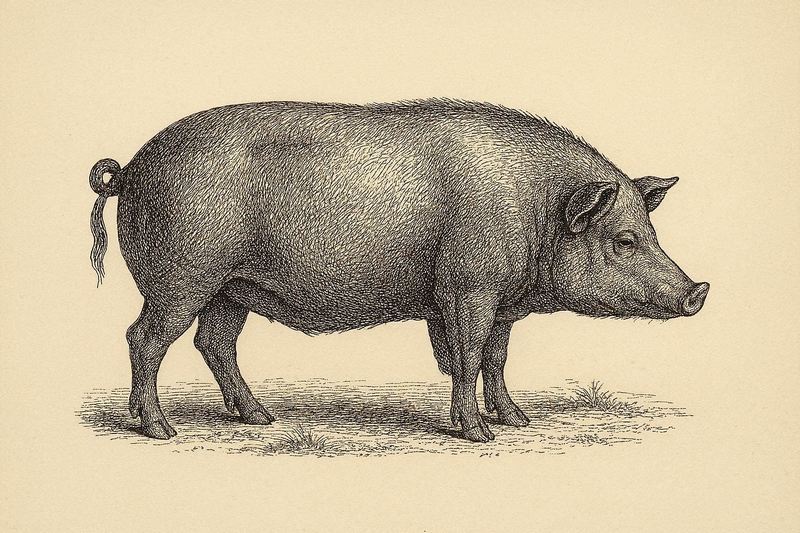
Pork
Nutritional information per 100 grams
Nutrition Facts
| Calories | Protein | Fat | Carbs | Sugar | Fiber |
|---|---|---|---|---|---|
| 242 | 27g | 14g | 0g | 0g | 0g |
Highlights
Coming soon
About This Meat
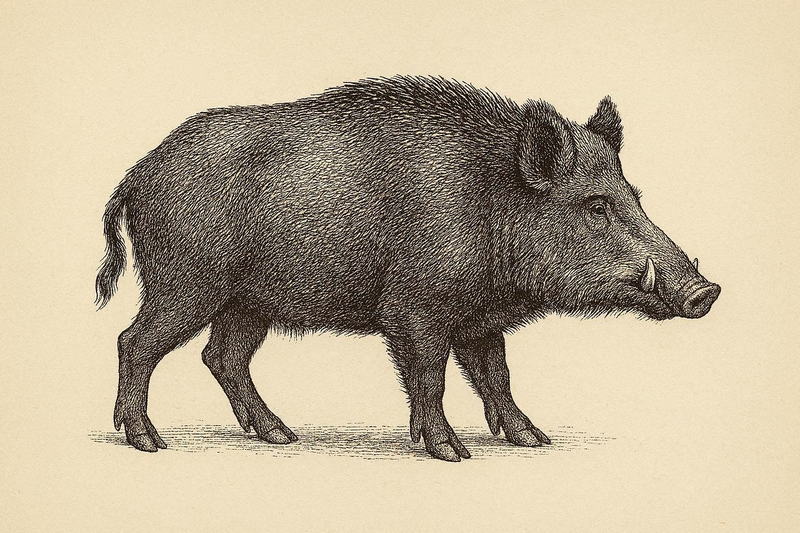
Pork is a widely consumed monogastric meat that provides a complete protein source with a broad micronutrient profile supporting multiple physiological systems. Its macronutrient composition varies considerably by cut, ranging from high-fat preparations such as belly to very lean cuts such as loin and tenderloin, allowing for flexible incorporation across different caloric and macronutrient targets. All cuts supply the full spectrum of essential amino acids necessary for muscle maintenance, enzyme synthesis, immune protein production, and tissue regeneration. Pork is one of the richest dietary sources of thiamine (vitamin B1), a nutrient essential for carbohydrate and branched-chain amino acid metabolism, and for the proper function of the nervous system. It also provides meaningful quantities of B12, niacin, riboflavin, and B6, collectively supporting the metabolic pathways involved in energy production and neurotransmitter regulation. Selenium is present at substantial levels in pork and serves as a cofactor for several selenoenzymes, including those involved in thyroid hormone conversion and oxidative stress management. Zinc is supplied in meaningful amounts, contributing to immune defense, protein synthesis, and hormonal regulation. Phosphorus is abundant in pork and is structurally involved in ATP, DNA, cellular membranes, and skeletal mineralization. Pork fat, particularly from pasture-raised animals, contains oleic acid and moderate amounts of saturated fatty acids, both of which serve as energy substrates and structural lipid components. The fat-soluble vitamins D and E are present in pork, particularly in fattier cuts, and support calcium metabolism, immune modulation, and membrane-level antioxidant defense. Heme iron is present in pork, though at lower concentrations than in ruminant meats, and remains more bioavailable than non-heme iron from plant sources. Creatine is found in pork muscle and supports phosphocreatine-dependent energy regeneration during short-duration, high-intensity muscular output. The bioavailability of pork's amino acids and micronutrients is high, consistent with the general superiority of animal-source foods in nutrient absorption efficiency. Pork supports satiety, particularly in fattier preparations, through the combined hormonal effects of protein and dietary fat on appetite-regulating peptides.
Vitamins & Nutrients
- Cholesterol: 75mg (steroid hormone substrate, bile acid production, cellular membrane structure)
- Sodium: 60mg (fluid regulation, electrochemical gradient maintenance, nerve signaling)
- Potassium: 423mg (electrolyte balance, blood pressure regulation, cardiac function support)
- Iron: 0.9mg (heme iron for oxygen transport, red blood cell enzyme involvement, energy metabolism)
- Zinc: 2.5mg (immune cell signaling, testosterone maintenance, tissue repair, enzyme activation)
- Selenium: 30.8mcg (thyroid hormone regulation, antioxidant defense via selenoproteins, reproductive function)
- Vitamin B12: 0.7mcg (neuronal health, DNA replication, erythrocyte production)
- Vitamin B6: 0.46mg (protein catabolism, neurotransmitter biosynthesis, glycogenolysis)
- Niacin (B3): 6.3mg (cellular energy via NAD, metabolic enzyme cofactor, nervous system integrity)
- Riboflavin (B2): 0.22mg (FAD-based electron transport, cellular growth, vision support)
- Thiamin (B1): 0.79mg (carbohydrate-to-energy conversion, acetylcholine synthesis, nervous system support)
- Pantothenic Acid (B5): 0.75mg (coenzyme A synthesis, fat and carbohydrate metabolism, adrenal hormone production)
- Choline: 94mg (acetylcholine neurotransmission, liver lipid transport, membrane phospholipid structure)
- Vitamin D: 53 IU (calcium absorption regulation, immune function, phosphorus homeostasis)
- Magnesium: 28mg (ATP energy stabilization, muscle relaxation, protein synthesis cofactor)
- Phosphorus: 246mg (skeletal integrity, phospholipid bilayer construction, energy transfer via ATP)
These values are approximate and can vary based on factors such as the specific cut of beef and cooking method.