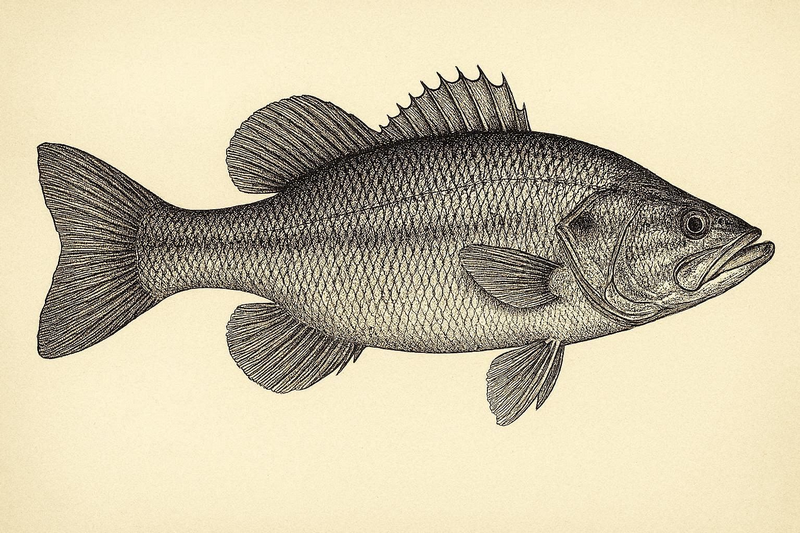
Bass
Nutritional information per 100 grams
Nutrition Facts
| Calories | Protein | Fat | Carbs | Sugar | Fiber |
|---|---|---|---|---|---|
| 124 | 26g | 2g | 0g | 0g | 0g |
Highlights
Coming soon
About This Meat
Bass is a widely available freshwater and saltwater fish that delivers a clean, complete protein source with meaningful micronutrient support. The protein content is high relative to its caloric density, providing all essential amino acids necessary for muscle protein synthesis, immune function, and enzymatic production. The fat profile of bass is moderate and includes omega-3 fatty acids that contribute to the maintenance of cellular membrane fluidity and the support of cardiovascular and neurological function. Bass is a notable source of vitamin B12, which is essential for neurological integrity, DNA replication, and the prevention of megaloblastic anemia. It provides niacin and B6, both of which are involved in the catabolism of macronutrients and the production of cellular energy. Selenium supports the activity of antioxidant enzymes and plays a role in thyroid hormone metabolism. Phosphorus is abundant in bass and is a structural component of bone mineral matrix and high-energy compounds including ATP and creatine phosphate. Zinc is present and participates in protein synthesis, immune defense, and hormonal regulation. Potassium contributes to intracellular fluid balance and the electrochemical gradients necessary for nerve and muscle function. The iodine content of bass varies by habitat but contributes to thyroid function and metabolic rate regulation when present. The digestibility of bass protein is high, meaning the amino acid bioavailability is efficient relative to ingested quantity. Bass offers a favorable nutrient profile for individuals seeking lean animal protein with broad micronutrient coverage in a carnivore dietary context.
Vitamins & Nutrients
- Selenium: 31mcg (antioxidant defense, thyroid hormone regulation, immune function)
- Vitamin B12: 0.3mcg (neurological integrity, red blood cell formation, DNA synthesis)
- Vitamin B6: 0.3mg (protein metabolism, neurotransmitter production, amino acid processing)
- Vitamin D: 5mcg (calcium absorption, skeletal support, immune modulation)
- Niacin (B3): 1.3mg (cellular energy metabolism, NAD production, nervous system support)
- Pantothenic Acid (B5): 0.75mg (fat metabolism, hormone synthesis, coenzyme A production)
- Phosphorus: 165mg (bone structure, ATP synthesis, cellular repair)
- Potassium: 256mg (electrolyte balance, muscular contraction, cardiovascular support)
- Magnesium: 35mg (enzyme activation, ATP production, nerve and muscle regulation)
- Choline: 52mg (cell membrane integrity, neurotransmitter synthesis, liver fat metabolism)
- Omega-3 Fatty Acids (DHA and EPA): 500mg (brain and nervous system support, cardiovascular function, inflammatory regulation)
These values are approximate and can vary based on factors such as the specific cut of beef and cooking method.