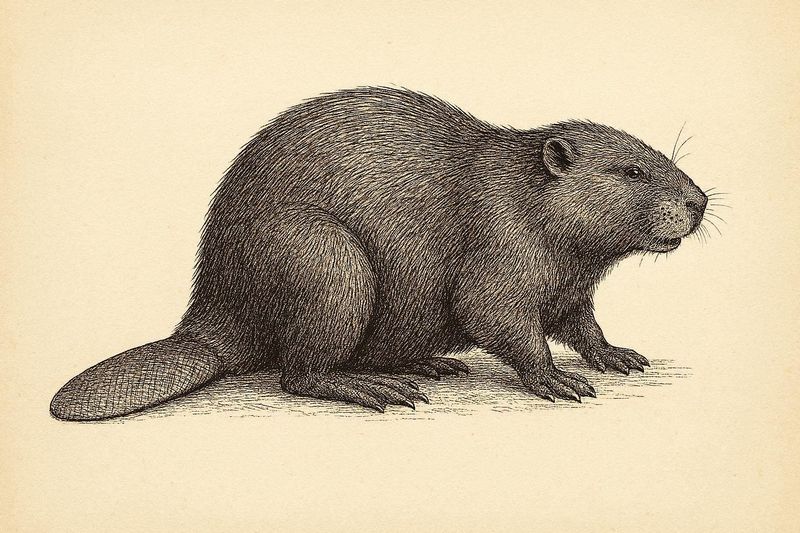
Beaver
Nutritional information per 100 grams
Nutrition Facts
| Calories | Protein | Fat | Carbs | Sugar | Fiber |
|---|---|---|---|---|---|
| 196 | 25g | 10g | 0g | 0g | 0g |
Highlights
Coming soon
About This Meat
Beaver meat is a nutrient-dense semi-aquatic wild game protein with a distinctly rich fat content relative to most terrestrial small game, a reflection of its physiological need for insulation and energy storage. Protein content is high, with a complete amino acid profile supporting muscle protein synthesis, enzymatic function, and structural tissue maintenance. The fat profile of beaver is notable for its higher proportion of polyunsaturated fatty acids, particularly omega-3 fatty acids, attributable to its aquatic habitat and plant-based diet of bark, roots, and aquatic vegetation. This makes beaver fat metabolically distinct from land-based game, with potential relevance to inflammatory regulation and cellular membrane composition. B12 is abundant and supports neurological integrity and red blood cell production. Niacin, riboflavin, and B6 support NAD synthesis and amino acid metabolism central to energy production. Heme iron is well-represented and supports hemoglobin formation and aerobic metabolic capacity. Zinc supports immune function, hormonal signaling, and anabolic processes. Selenium contributes to glutathione peroxidase activity and thyroid axis function. Beaver tail in particular is historically recognized as an extremely energy-dense fat source, consisting almost entirely of adipose tissue used for caloric storage. Potassium and phosphorus are present in concentrations consistent with red-meat wild game. Beaver has been a foundational protein and fat source for indigenous peoples across North America, particularly in northern forested regions where caloric density was essential for cold-weather survival. The combination of high-quality protein and a nutritionally distinct fat profile makes beaver a metabolically relevant food within an animal-based dietary framework. Whole-animal utilization of beaver, including organ meats, substantially increases micronutrient breadth.
Vitamins & Nutrients
- Cholesterol: 99mg (membrane structural integrity, bile acid formation, steroid hormone production)
- Sodium: 50mg (fluid balance, electrochemical gradient maintenance, nerve impulse propagation)
- Potassium: 343mg (muscle contractility, intracellular osmolarity, cardiovascular electrical conduction)
- Iron: 8.5mg (hemoglobin and myoglobin oxygen binding, cytochrome electron transfer, energy production)
- Zinc: 2.3mg (immune regulation, tissue repair, enzymatic catalytic function)
- Copper: 0.2mg (iron absorption facilitation, collagen cross-linking, superoxide dismutase activity)
- Selenium: 37mcg (antioxidant selenoprotein synthesis, thyroid deiodinase support, immune defense)
- Magnesium: 25mg (muscle and nerve signaling, ATP co-factor activity, bone mineral support)
- Phosphorus: 248mg (skeletal mineralization, energy storage via ATP and creatine phosphate, acid-base buffering)
- Calcium: 19mg (bone and dental tissue integrity, muscle excitation-contraction coupling, enzymatic activation)
- Vitamin B1 (Thiamin): 0.05mg (pyruvate dehydrogenase complex function, glucose-derived energy metabolism)
- Vitamin B2 (Riboflavin): 0.31mg (FAD coenzyme activity, cellular oxidation-reduction reactions)
- Niacin (B3): 2.2mg (NAD biosynthesis, energy substrate catabolism, DNA repair cofactor)
- Pantothenic Acid (B5): 0.93mg (coenzyme A synthesis, fat oxidation, adrenocortical hormone support)
- Vitamin B6: 0.47mg (aminotransferase reactions, serotonin and GABA biosynthesis)
- Vitamin B12: 8.3mcg (myelin integrity, methyl group transfer, erythrocyte production)
- Choline: 110mg (cell membrane phospholipid synthesis, acetylcholine formation, hepatic lipid transport)
- Vitamin E: 0.4mg (membrane antioxidant defense, lipid peroxidation suppression)
These values are approximate and can vary based on factors such as the specific cut of beef and cooking method.