Catfish
Nutritional information per 100 grams
Nutrition Facts
| Calories | Protein | Fat | Carbs | Sugar | Fiber |
|---|---|---|---|---|---|
| 144 | 18g | 7g | 0g | 0g | 0g |
Highlights
Coming soon
About This Meat
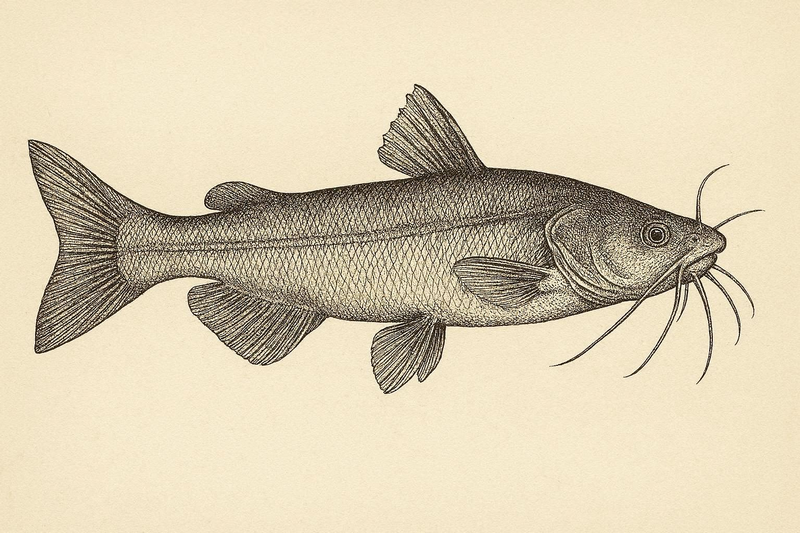
Catfish is a widely consumed freshwater fish that provides a substantial protein yield with a moderate fat content and strong micronutrient representation. It delivers a complete amino acid profile supporting muscle maintenance, tissue regeneration, and systemic protein turnover. The fat profile includes omega-3 fatty acids, particularly in wild-caught varieties, which contribute to membrane structural integrity and modulation of inflammatory signaling cascades. Catfish is a meaningful source of vitamin D, which supports calcium absorption, bone mineralization, immune function, and gene expression regulation via nuclear receptor pathways. It contains vitamin B12 at levels that support neurological health and red blood cell formation. Niacin is well represented and supports NAD and NADH cycling central to mitochondrial energy production. Phosphorus levels are high and relevant to skeletal health, nucleotide synthesis, and cellular energy transfer. Selenium is present and functions within selenoprotein systems involved in redox balance and thyroid hormone activation. The omega-6 to omega-3 ratio in farmed catfish is higher than in many wild fish species, which is a consideration for dietary fat balance. Zinc and potassium are present in amounts that support immune competence and cellular hydration respectively. Catfish provides a highly digestible protein matrix, meaning the efficiency of amino acid absorption from its muscle tissue is favorable. The combination of protein density and fat-soluble vitamin content, particularly vitamin D, makes catfish a nutritionally meaningful option in animal-based dietary approaches that prioritize hormonal and metabolic support.
Vitamins & Nutrients
- Vitamin B12: 2.8mcg (neurological function, red blood cell formation, DNA synthesis)
- Vitamin D: 13mcg (calcium absorption, skeletal integrity, immune modulation)
- Phosphorus: 247mg (bone and cellular structure, ATP production, metabolic repair)
- Selenium: 10mcg (antioxidant enzyme activation, thyroid hormone metabolism, immune support)
- Potassium: 366mg (electrolyte balance, cardiovascular function, muscular contraction)
- Niacin (B3): 2.5mg (cellular energy metabolism, NAD coenzyme production, nervous system support)
- Pantothenic Acid (B5): 0.81mg (fat and hormone metabolism, coenzyme A synthesis)
- Vitamin B6: 0.18mg (protein metabolism, neurotransmitter synthesis, amino acid conversion)
- Riboflavin (B2): 0.1mg (energy production, cellular growth, metabolic coenzyme activity)
- Magnesium: 23mg (muscle and nerve regulation, ATP synthesis, enzymatic function)
- Omega-3 Fatty Acids: 400mg (nervous system membrane support, cardiovascular regulation, inflammatory response modulation)
These values are approximate and can vary based on factors such as the specific cut of beef and cooking method.