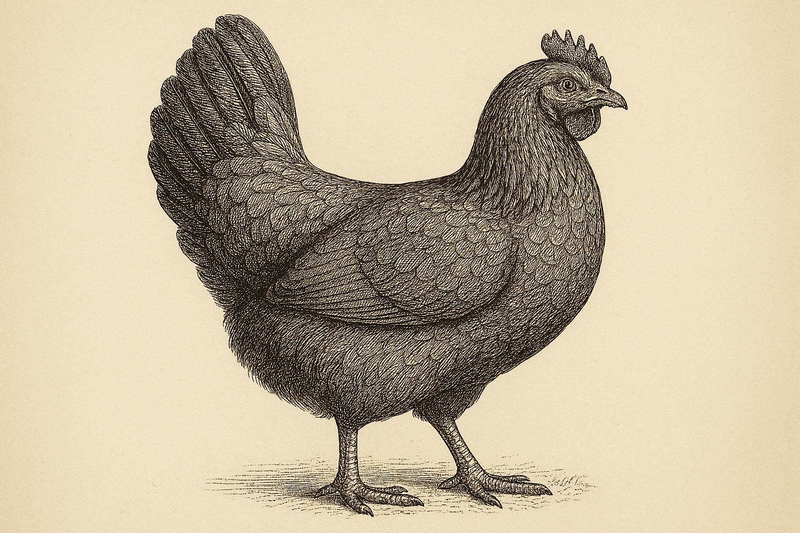
Chicken
Nutritional information per 100 grams
Nutrition Facts
| Calories | Protein | Fat | Carbs | Sugar | Fiber |
|---|---|---|---|---|---|
| 165 | 31g | 3g | 0g | 0g | 0g |
Highlights
Coming soon
About This Meat
Chicken is the most widely consumed poultry globally and provides a nutritionally accessible complete protein source across a broad range of fat and calorie profiles depending on the cut and whether skin is included. The macronutrient composition varies significantly between breast meat, which is very lean, and dark cuts such as thighs and drumsticks, which contain higher fat content and a correspondingly richer micronutrient profile. All cuts provide the full spectrum of essential amino acids, supporting muscle protein synthesis, immune function, collagen and connective tissue production, and systemic protein turnover. Niacin is particularly concentrated in chicken, making it one of the richest dietary sources of this B vitamin, which is central to NAD synthesis and mitochondrial energy production. Vitamin B6 is well-represented in chicken and supports transamination reactions, the synthesis of neurotransmitter precursors, and the metabolism of homocysteine. B12 is present, though at lower concentrations than ruminant meats, and supports neurological integrity and red blood cell production. Phosphorus is abundant in chicken and plays structural and energetic roles in bone mineralization, ATP production, and phospholipid membrane composition. Selenium is a notable micronutrient in chicken and supports glutathione-dependent antioxidant activity and thyroid hormone metabolism. Zinc is present, particularly in dark meat, though at lower concentrations than beef or lamb, and contributes to immune defense, enzymatic function, and cellular repair. Chicken fat, concentrated in the skin and dark meat, provides oleic acid and palmitic acid as primary substrates for energy utilization and fat-soluble vitamin absorption. The collagen content of chicken, particularly from skin, cartilage, and connective tissue, provides glycine, proline, and hydroxyproline, amino acids that support joint integrity, gut lining function, and skin structure. Heme iron is present in dark chicken meat and supports oxygen delivery, though at lower concentrations than red meats. Pasture-raised chicken provides a more favorable omega-3 to omega-6 fatty acid ratio and modestly higher fat-soluble vitamin concentrations compared to conventionally raised birds. Chicken remains a foundational animal protein in carnivore and animal-based diets due to its versatility, accessibility, and complete nutritional character.
Vitamins & Nutrients
- Cholesterol: 70mg (steroid hormone biosynthesis, cell membrane composition, bile acid precursor)
- Sodium: 65mg (fluid volume regulation, nerve signal propagation, electrochemical gradient support)
- Potassium: 256mg (intracellular cation balance, cardiac rhythm, skeletal and smooth muscle function)
- Iron: 1mg (hemoglobin formation, cellular oxygen delivery, mitochondrial enzyme support)
- Zinc: 1.2mg (immune cell activation, wound healing, protein folding and synthesis)
- Selenium: 24mcg (glutathione peroxidase activity, thyroid hormone deiodination, antioxidant cellular defense)
- Vitamin B12: 0.3mcg (neurological health, erythropoiesis, DNA synthesis and methylation)
- Vitamin B6: 0.6mg (transamination reactions, serotonin and dopamine synthesis, glycogenolysis)
- Niacin (B3): 13.7mg (NAD and NADP biosynthesis, cellular energy metabolism, over 400 enzymatic reaction support)
- Riboflavin (B2): 0.27mg (FAD and FMN electron carrier roles, mitochondrial energy production, tissue maintenance)
- Thiamin (B1): 0.08mg (acetyl-CoA formation from pyruvate, carbohydrate metabolism, nerve impulse support)
- Pantothenic Acid (B5): 1.6mg (coenzyme A synthesis, steroid and neurotransmitter production, fatty acid metabolism)
- Vitamin D: 6mcg (calcium and phosphorus absorption, immune cell differentiation, bone mineral regulation)
- Magnesium: 29mg (muscle contraction and relaxation, ATP hydrolysis, protein synthesis cofactor)
- Phosphorus: 196mg (hydroxyapatite bone structure, phospholipid membrane synthesis, ATP energy currency)
- Choline: 80mg (acetylcholine neurotransmitter production, liver lipid transport, cell membrane phospholipid function)
These values are approximate and can vary based on factors such as the specific cut of beef and cooking method.