Clam
Nutritional information per 100 grams
Nutrition Facts
| Calories | Protein | Fat | Carbs | Sugar | Fiber |
|---|---|---|---|---|---|
| 148 | 25g | 2g | 0g | 0g | 0g |
Highlights
Coming soon
About This Meat
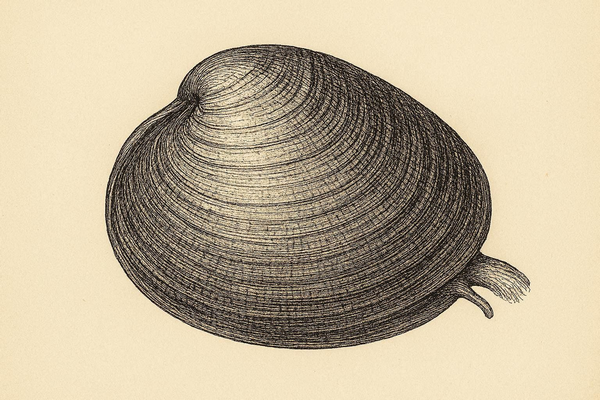
Clams are bivalve mollusks recognized for having one of the highest concentrations of vitamin B12 of any commonly consumed food, with a single serving capable of delivering multiples of the recommended daily intake. This exceptional B12 content makes clams especially relevant for neurological health, methylation cycle support, and the prevention of megaloblastic disruption in red blood cell production. Clams are a significant source of heme iron, the form of iron most efficiently absorbed by the human gastrointestinal system, making them highly relevant for oxygen transport, mitochondrial function, and energy production. They deliver substantial zinc, supporting immune defense, testosterone synthesis, and enzymatic activity throughout the body. Selenium is present at levels that support thyroid function, antioxidant enzyme activity, and DNA integrity. Clams provide phosphorus, potassium, and magnesium in amounts that contribute to electrolyte balance, muscle contraction, and bone structure. Copper is found at high concentrations, supporting iron metabolism and the function of copper-dependent enzymes including superoxide dismutase. The protein in clams is complete, and its amino acid composition is well suited to muscle protein synthesis and tissue repair. Omega-3 fatty acids are present, contributing to cell membrane function and cardiovascular support. Clams also contain vitamin C in notable amounts, which is unusual among animal foods and contributes to collagen synthesis and immune competence. As a whole food, clams offer a nutrient density profile that is difficult to match across most other animal-based sources.
Vitamins & Nutrients
- Cholesterol: 52mg (involved in hormone synthesis, cellular membrane structure, and bile acid production)
- Sodium: 1202mg (supports fluid balance, nerve impulse transmission, and muscle contraction)
- Potassium: 628mg (contributes to electrolyte balance, cardiovascular support, and muscular function)
- Phosphorus: 338mg (involved in ATP energy production, bone structure, and cellular repair)
- Magnesium: 18mg (supports muscle function, ATP synthesis, and nervous system regulation)
- Calcium: 92mg (helps maintain skeletal integrity, nerve signaling, and muscle contraction)
- Iron: 2.8mg (supports oxygen transport in red blood cells and metabolic energy production)
- Zinc: 2.7mg (involved in immune signaling, enzyme activity, and tissue repair)
- Copper: 0.69mg (contributes to red blood cell formation, iron metabolism, and connective tissue synthesis)
- Manganese: 1mg (supports enzymatic reactions, bone metabolism, and carbohydrate processing)
- Selenium: 64mcg (contributes to thyroid hormone metabolism and antioxidant enzyme function)
- Iodine: 160mcg (involved in thyroid hormone production and systemic metabolic regulation)
- Vitamin B12: 99mcg (supports neurological function, DNA synthesis, and red blood cell formation)
- Vitamin B2 (Riboflavin): 0.43mg (contributes to energy production, cellular growth, and electron transport)
- Vitamin B3 (Niacin): 3.4mg (involved in cellular energy metabolism and nervous system support)
- Vitamin B5 (Pantothenic Acid): 0.68mg (supports fat metabolism and adrenal hormone synthesis)
- Vitamin B6: 0.11mg (involved in protein metabolism and neurotransmitter production)
- Vitamin A: 171mcg (supports visual function, epithelial integrity, and immune signaling)
- Folate (B9): 29mcg (involved in DNA synthesis and cell division)
- Choline: 65mg (supports liver function, cellular membrane structure, and neurotransmitter synthesis)
- Omega-3 Fatty Acids (EPA/DHA): 0.4g (help maintain cardiovascular and neurological function)
These values are approximate and can vary based on factors such as the specific cut of beef and cooking method.