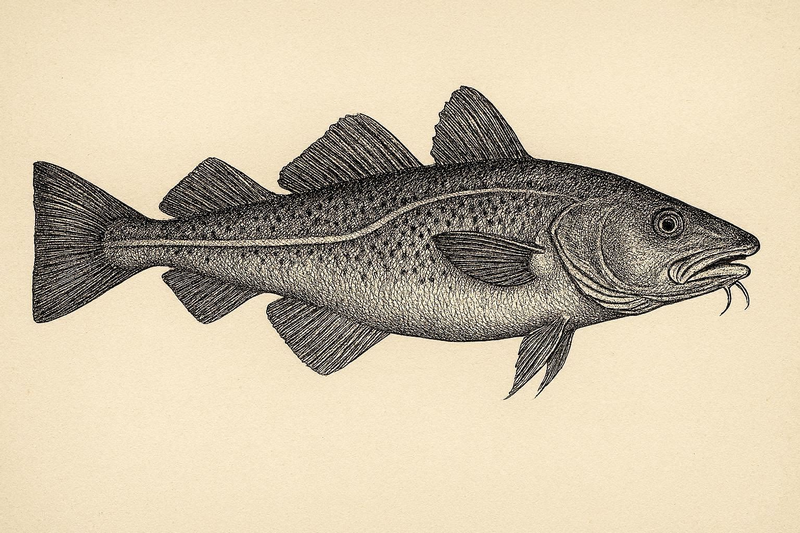
Cod
Nutritional information per 100 grams
Nutrition Facts
| Calories | Protein | Fat | Carbs | Sugar | Fiber |
|---|---|---|---|---|---|
| 105 | 23g | 0g | 0g | 0g | 0g |
Highlights
Coming soon
About This Meat
Cod is a lean, white-fleshed saltwater fish recognized for its high protein density and exceptionally low fat content. It provides a complete amino acid profile that supports muscle protein synthesis, tissue repair, and the production of structural and regulatory proteins throughout the body. As one of the leanest animal protein sources available, cod offers a high protein-to-calorie ratio that is advantageous for supporting lean mass while managing energy intake. Cod is a reliable dietary source of vitamin B12, supporting neurological function, DNA synthesis, and red blood cell production. Niacin is abundant in cod and functions centrally in NAD+ dependent metabolic pathways including glycolysis, the citric acid cycle, and beta-oxidation of fatty acids. Vitamin B6 supports amino acid transamination reactions and neurotransmitter synthesis. Phosphorus in cod contributes to bone mineral density and the formation of ATP, creatine phosphate, and nucleic acids. Selenium is a notable micronutrient in cod and supports glutathione synthesis, thyroid hormone deiodination, and immune system function. Iodine content in cod is significant and directly supports the synthesis of thyroid hormones T3 and T4, which regulate basal metabolic rate and thermogenesis. Potassium supports fluid regulation, cardiac muscle function, and the maintenance of resting membrane potential in neurons and muscle cells. Magnesium is present in modest quantities and participates in ATP hydrolysis and hundreds of enzymatic processes. The absence of significant fat in cod also means it is low in fat-soluble vitamins, which is a consideration when designing a nutritionally complete animal-based diet. Overall, cod serves as an efficient and highly bioavailable lean protein foundation within carnivore and metabolic health dietary frameworks.
Vitamins & Nutrients
- Selenium: 38mcg (antioxidant enzyme activation, thyroid hormone metabolism, cellular protection)
- Vitamin B12: 1.1mcg (neurological integrity, red blood cell formation, DNA synthesis)
- Iodine: 172mcg (thyroid hormone synthesis, metabolic rate regulation, cellular oxygen utilization)
- Niacin (B3): 2.5mg (cellular energy metabolism, NAD coenzyme production, nervous system support)
- Vitamin B6: 0.28mg (protein metabolism, neurotransmitter synthesis, amino acid conversion)
- Choline: 150mg (neurotransmitter production, liver fat metabolism, cell membrane structural support)
- Phosphorus: 203mg (bone matrix integrity, ATP synthesis, cellular repair)
- Potassium: 413mg (electrolyte balance, cardiovascular function, muscular contraction)
- Magnesium: 32mg (enzyme activation, ATP production, nerve and muscle regulation)
- Vitamin E: 0.81mg (cellular antioxidant protection, membrane integrity)
- Thiamin (B1): 0.09mg (carbohydrate metabolism, nervous system support)
- Zinc: 0.58mg (immune signaling, tissue repair, enzymatic function)
- Omega-3 Fatty Acids: 200mg (cardiovascular support, neural membrane integrity, inflammatory response regulation)
These values are approximate and can vary based on factors such as the specific cut of beef and cooking method.