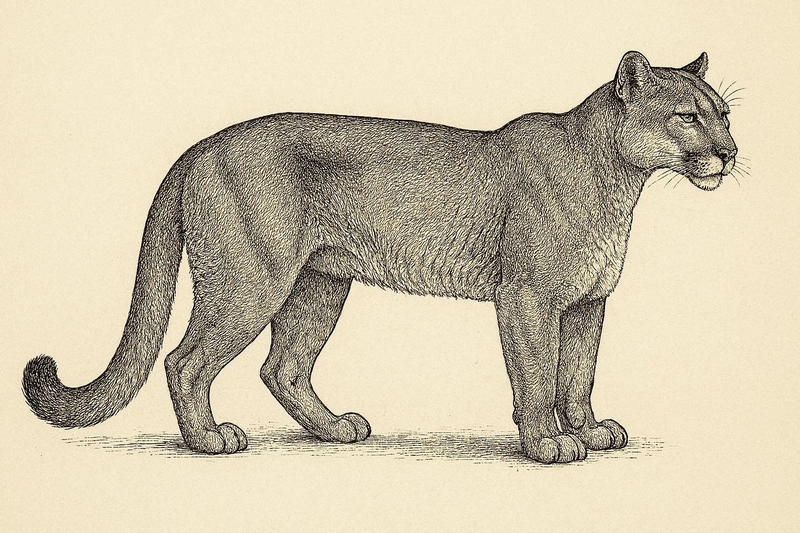
Cougar
Nutritional information per 100 grams
Nutrition Facts
| Calories | Protein | Fat | Carbs | Sugar | Fiber |
|---|---|---|---|---|---|
| 166 | 28g | 5g | 0g | 0g | 0g |
Highlights
Coming soon
About This Meat
Cougar meat is a lean wild game protein sourced from a large apex predator, and its macronutrient profile reflects the physiology of an obligate carnivore with a muscular, low-fat body composition. Protein content is high, with a complete essential amino acid profile that supports muscle maintenance, connective tissue repair, and metabolic function. Fat content is relatively low compared to ruminant meats, with a lean tissue composition that delivers protein with minimal accompanying lipid. The amino acid density makes cougar meat particularly relevant for supporting lean mass retention and nitrogen balance. B vitamins, including B12, B6, and niacin, are present and support neurological function, one-carbon metabolism, and the electron transport chain. Heme iron concentration supports oxygen transport capacity and red blood cell production, consistent with the high-myoglobin content typical of wild game. Zinc, copper, and selenium round out the trace mineral profile, contributing to enzymatic activity, immune competency, and antioxidant defense. The lean protein load supports satiety and thermogenesis given the relatively higher thermic effect of protein compared to fat and carbohydrate. Taurine and carnitine, amino acid derivatives found concentrated in animal muscle tissue, support cardiac function, mitochondrial fat oxidation, and bile acid conjugation. Phosphorus is abundant and supports ATP synthesis and bone mineral density alongside calcium. Cougar meat, as with most wild predator meats, tends to be lower in intramuscular fat, making it a high-protein, low-fat animal food. Its bioavailability across amino acids, minerals, and fat-soluble cofactors makes it consistent with the nutrient priorities of a carnivore or animal-based diet. The lean nature of the protein makes it a physiologically efficient fuel source for individuals focused on protein-dominant intake patterns.
Vitamins & Nutrients
- Cholesterol: 75mg (steroid hormone production, bile acid synthesis, cellular membrane structure)
- Sodium: 65mg (fluid volume regulation, nerve signal conduction, electrolyte balance)
- Potassium: 300mg (intracellular osmotic balance, muscle contraction, cardiac rhythm support)
- Iron: 3.5mg (hemoglobin synthesis, oxygen delivery, mitochondrial electron transport)
- Zinc: 4.0mg (immune cell activation, wound healing, protein synthesis)
- Copper: 0.12mg (collagen cross-linking, iron mobilization, antioxidant enzyme support)
- Selenium: 12mcg (selenoprotein synthesis, antioxidant defense, thyroid conversion support)
- Magnesium: 22mg (muscle relaxation, ATP production, nervous system regulation)
- Phosphorus: 185mg (skeletal mineralization, phospholipid membrane structure, ATP formation)
- Niacin (B3): 6.5mg (cellular redox reactions, fatty acid synthesis, energy substrate utilization)
- Vitamin B2 (Riboflavin): 0.3mg (electron carrier function, oxidative energy metabolism)
- Vitamin B6: 0.4mg (transamination reactions, neurotransmitter production, glycogen metabolism)
- Vitamin B12: 2.8mcg (myelin sheath maintenance, neurological signaling, erythrocyte maturation)
- Pantothenic Acid (B5): 0.8mg (coenzyme A biosynthesis, fat metabolism, adrenal hormone synthesis)
- Vitamin E: 0.4mg (antioxidant protection of cell membranes, fat-soluble radical scavenging)
These values are approximate and can vary based on factors such as the specific cut of beef and cooking method.