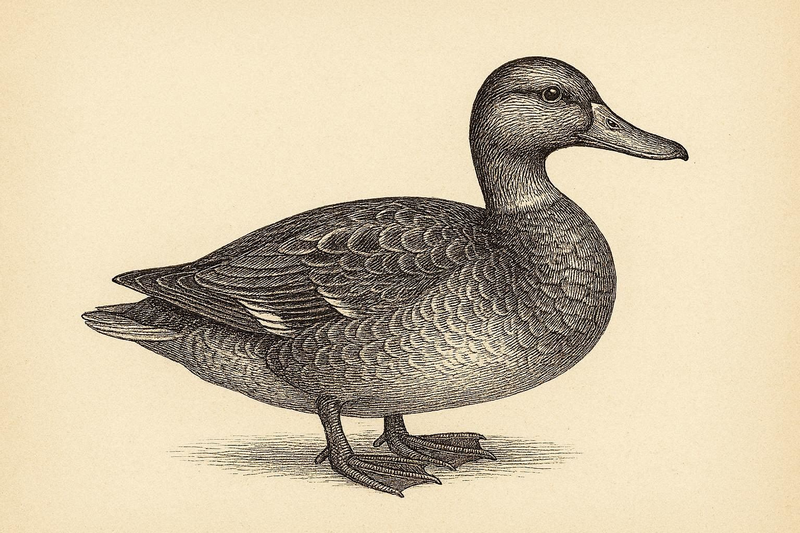
Duck
Nutritional information per 100 grams
Nutrition Facts
| Calories | Protein | Fat | Carbs | Sugar | Fiber |
|---|---|---|---|---|---|
| 337 | 19g | 28g | 0g | 0g | 0g |
Highlights
Coming soon
About This Meat
Duck is a nutrient-dense poultry meat with a distinctly higher fat content compared to most other birds, placing it in a macronutrient category closer to red meat than lean poultry. The fat in duck is composed largely of monounsaturated fatty acids, similar in profile to olive oil, with oleic acid as a primary component, alongside a meaningful proportion of saturated fat and smaller amounts of polyunsaturated fats. This fatty acid composition supports cell membrane integrity and provides a sustained energy substrate that does not provoke the same insulin response as carbohydrate-based fuels. Duck is a complete protein source, delivering all essential amino acids in amounts that support muscle protein synthesis and whole-body nitrogen retention. It is particularly well-supplied with iron, especially heme iron, which is the most bioavailable form and is absorbed at significantly higher rates than non-heme plant iron. Zinc is present in substantial amounts and supports enzymatic function, immune competence, and reproductive hormone synthesis. Duck provides a strong B-vitamin profile, including B12, niacin, riboflavin, and pantothenic acid, all of which are essential to mitochondrial energy production and red blood cell formation. The caloric density of duck makes it well-suited to supporting individuals with high energy expenditure or those following dietary protocols that emphasize fat as a primary fuel source. Its selenium content contributes to glutathione peroxidase activity, which is central to cellular oxidative defense. Duck meat supports satiety robustly due to the combined effect of dietary fat and protein on appetite-regulating hormones, making it effective for sustaining energy and reducing feeding frequency.
Vitamins & Nutrients
- Cholesterol: 89mg (steroid hormone production, cellular membrane structure, bile acid synthesis)
- Sodium: 65mg (fluid regulation, electrochemical nerve signaling, muscle contraction)
- Potassium: 252mg (electrolyte balance, cardiac rhythm support, intracellular fluid regulation)
- Iron: 2.7mg (hemoglobin oxygen transport, red blood cell synthesis, mitochondrial energy production)
- Zinc: 2.0mg (immune function, protein and DNA synthesis, enzymatic catalysis)
- Selenium: 22mcg (glutathione peroxidase activation, oxidative stress regulation, thyroid support)
- Vitamin A: 23mcg (cellular differentiation, epithelial tissue integrity, vision cycle support)
- Vitamin B12: 0.3mcg (neurological maintenance, DNA replication, red blood cell maturation)
- Vitamin B6: 0.18mg (transamination reactions, neurotransmitter production, glycogen metabolism)
- Niacin (B3): 4.8mg (NAD and NADH coenzyme synthesis, energy metabolism, cellular respiration)
- Riboflavin (B2): 0.27mg (oxidative phosphorylation, flavoprotein coenzyme activity, metabolic energy)
- Pantothenic Acid (B5): 1.1mg (coenzyme A formation, steroid synthesis, fatty acid oxidation)
- Thiamin (B1): 0.17mg (pyruvate decarboxylation, carbohydrate-derived energy, neurological signaling)
- Vitamin E: 0.7mg (lipid peroxidation protection, cellular membrane integrity, fat-soluble antioxidant support)
- Vitamin K: 5.1mcg (carboxylation of clotting proteins, bone protein activation, vascular mineralization regulation)
- Phosphorus: 203mg (skeletal mineralization, ATP and phospholipid synthesis, cellular energy transfer)
- Magnesium: 19mg (cofactor in over 300 enzymatic reactions, neuromuscular regulation, ATP stabilization)
- Copper: 0.25mg (iron transport facilitation, collagen cross-linking, mitochondrial electron transport)
These values are approximate and can vary based on factors such as the specific cut of beef and cooking method.