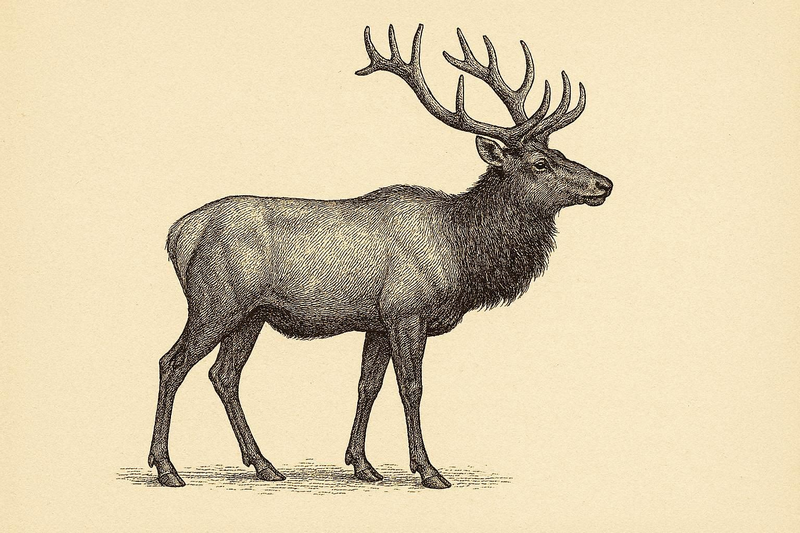
Elk
Nutritional information per 100 grams
Nutrition Facts
| Calories | Protein | Fat | Carbs | Sugar | Fiber |
|---|---|---|---|---|---|
| 146 | 29g | 2g | 0g | 0g | 0g |
Highlights
Coming soon
About This Meat
Elk is a large wild game animal that produces a lean, protein-rich meat with a nutrient density profile highly regarded in carnivore and ancestral dietary frameworks. Its macronutrient composition features high protein and low total fat, with the fat that is present being relatively rich in omega-3 fatty acids compared to conventionally raised beef, a reflection of elk's natural grazing and browsing diet. Elk is a complete protein source, providing all essential amino acids in amounts that robustly support muscle protein synthesis, connective tissue maintenance, and the biosynthesis of functional proteins including enzymes, hormones, and immune factors. The iron content of elk is substantial, present in the highly bioavailable heme form, and supports erythropoiesis, systemic oxygen delivery, and the cytochrome enzymes involved in mitochondrial energy production. Zinc is a notable micronutrient in elk and contributes to immune function, wound healing, reproductive hormone regulation, and the structural stability of numerous proteins. Vitamin B12 is present in meaningful concentrations and is essential for neurological function, myelin synthesis, and the methylation reactions that govern gene expression and homocysteine metabolism. Niacin supports cellular energy production through NAD-dependent redox reactions, while B6 contributes to amino acid metabolism and neurotransmitter biosynthesis. Phosphorus in elk supports skeletal integrity and is an essential component of ATP, the universal energy currency of cellular metabolism. Creatine, naturally present in elk muscle tissue as in all skeletal meat, supports phosphocreatine resynthesis in rapidly contracting muscle fibers and contributes to short-duration power output. The combination of high protein quality, favorable fatty acid composition, and broad micronutrient coverage makes elk one of the most nutritionally complete red meat options available from wild animal sources.
Vitamins & Nutrients
- Cholesterol: 72mg (anabolic hormone biosynthesis, cellular membrane cholesterol homeostasis, myelin sheath lipid support)
- Sodium: 50mg (plasma volume and tonicity regulation, action potential initiation, renal tubular reabsorption)
- Potassium: 312mg (membrane resting potential, skeletal and cardiac muscle function, glycogen synthase activation)
- Iron: 2.8mg (hemoglobin and myoglobin oxygen binding, iron-sulfur cluster enzyme function, energy metabolism)
- Zinc: 2.4mg (metalloenzyme catalysis in over 300 reactions, immune T-cell activation, wound matrix remodeling)
- Selenium: 9.8mcg (selenoenzyme production, iodothyronine deiodinase activity, glutathione system support)
- Vitamin B12: 3.0mcg (methylmalonyl-CoA mutase function, neuronal myelin formation, DNA nucleotide synthesis)
- Vitamin B6: 0.49mg (amino acid nitrogen transfer, heme biosynthetic pathway, neurotransmitter balance)
- Niacin (B3): 6.1mg (NAD biosynthesis for mitochondrial electron transport, ADP-ribosylation reactions, glycolytic pathway support)
- Riboflavin (B2): 0.37mg (riboflavin-dependent oxidoreductases, FADH2 in citric acid cycle, homocysteine remethylation support)
- Pantothenic Acid (B5): 1.2mg (coenzyme A precursor synthesis, steroid and phospholipid production, oxidative energy metabolism)
- Thiamin (B1): 0.14mg (TPP-dependent decarboxylation reactions, pentose phosphate pathway activity, neuronal membrane stability)
- Vitamin E: 0.55mg (tocopherol-mediated membrane lipid protection, mitochondrial electron chain integrity, immune oxidative balance)
- Phosphorus: 285mg (ATP and GTP energy storage, phosphocreatine rapid energy reserve, bone mineral matrix)
- Magnesium: 29mg (muscle relaxation following contraction, Mg-ATP complex stability, protein translation cofactor)
- Copper: 0.12mg (ferroxidase activity in iron loading, dopamine beta-hydroxylase function, collagen fibril maturation)
These values are approximate and can vary based on factors such as the specific cut of beef and cooking method.