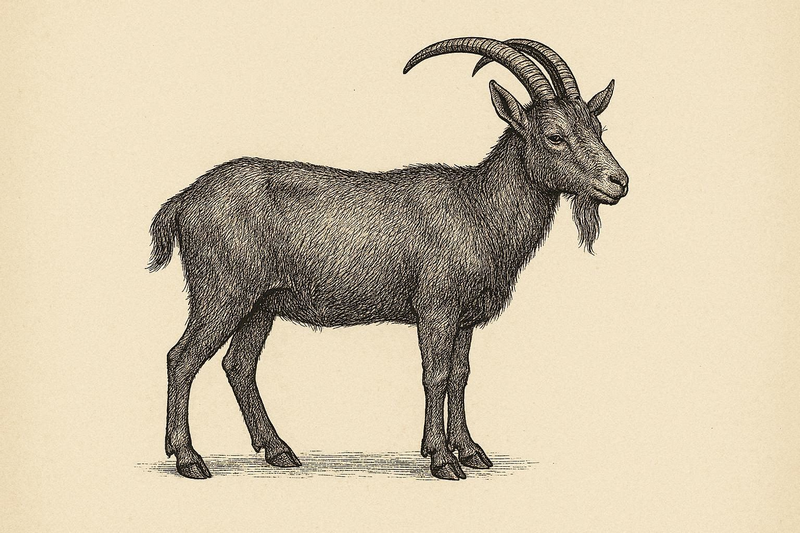
Goat
Nutritional information per 100 grams
Nutrition Facts
| Calories | Protein | Fat | Carbs | Sugar | Fiber |
|---|---|---|---|---|---|
| 143 | 27g | 3g | 0g | 0g | 0g |
Highlights
Coming soon
About This Meat
Goat meat, referred to as chevon or cabrito depending on the age of the animal, is the most widely consumed red meat globally and occupies a significant place in traditional dietary cultures across Africa, the Middle East, South Asia, and Latin America. It is characterized by a lean macronutrient profile, with a high protein concentration and relatively low total fat compared to beef, lamb, and pork. The protein in goat is complete, providing all essential amino acids in proportions adequate for muscle maintenance, immune function, and systemic tissue repair. Despite its leanness, goat meat contains meaningful fat, with a fatty acid profile that includes monounsaturated and saturated fatty acids, as well as modest amounts of polyunsaturated fats. Heme iron is present and bioavailable, supporting erythropoiesis and oxygen delivery through hemoglobin and myoglobin. Goat provides zinc at levels that contribute to daily requirements for immune regulation, cellular division, and reproductive hormone synthesis. Vitamin B12 is present and supports neurological function, DNA synthesis, and the maturation of red blood cells. Niacin and riboflavin support cellular energy metabolism through their roles as precursors to NAD and FAD, coenzymes central to the electron transport chain and oxidative phosphorylation. Potassium is found in goat meat at concentrations relevant to cardiovascular function, muscle contractility, and intracellular osmotic balance. Phosphorus supports ATP production, bone mineral density, and cellular membrane structure. Goat has a lower caloric density than many other red meats due to its lean composition, which may support body composition management without sacrificing protein intake or micronutrient delivery. The bioavailability of nutrients in goat is consistent with other ruminant meats and is not subject to the absorption limitations posed by antinutritional factors in plant-based foods. Goat meat is a nutritionally efficient, high-protein ruminant source that delivers a meaningful micronutrient payload within a relatively low-fat, low-calorie framework.
Vitamins & Nutrients
- Cholesterol: 75mg (cell membrane bilayer structure, steroid hormone precursor, fat-soluble vitamin transport)
- Sodium: 86mg (nerve signal transmission, extracellular fluid volume regulation, muscle activation)
- Potassium: 405mg (cardiovascular function, cellular fluid balance, neuromuscular excitability)
- Iron: 3.7mg (heme iron for hemoglobin oxygen transport, myoglobin support, immune cell energy)
- Zinc: 5.3mg (immune cascade activation, testosterone synthesis, enzymatic catalysis, DNA repair)
- Selenium: 12mcg (glutathione peroxidase activity, thyroid conversion of T4 to T3, reproductive cell protection)
- Vitamin B12: 1.2mcg (myelin production, nervous system integrity, red blood cell maturation)
- Vitamin B6: 0.1mg (protein and amino acid metabolism, heme synthesis, neurotransmitter production)
- Niacin (B3): 4mg (NAD-mediated energy transfer, cellular respiration, DNA repair enzyme support)
- Riboflavin (B2): 0.61mg (flavoprotein electron carrier function, oxidative phosphorylation, growth support)
- Thiamin (B1): 0.09mg (thiamine pyrophosphate cofactor function, carbohydrate catabolism, neural integrity)
- Copper: 0.3mg (iron metabolism facilitation, connective tissue cross-linking, mitochondrial respiration)
- Folate: 5mcg (one-carbon metabolism, nucleic acid synthesis, methylation reactions)
- Magnesium: 20mg (muscle contraction and relaxation, ATP hydrolysis, enzyme cofactor roles)
- Phosphorus: 201mg (bone hydroxyapatite formation, energy currency via phosphate, membrane phospholipid structure)
These values are approximate and can vary based on factors such as the specific cut of beef and cooking method.