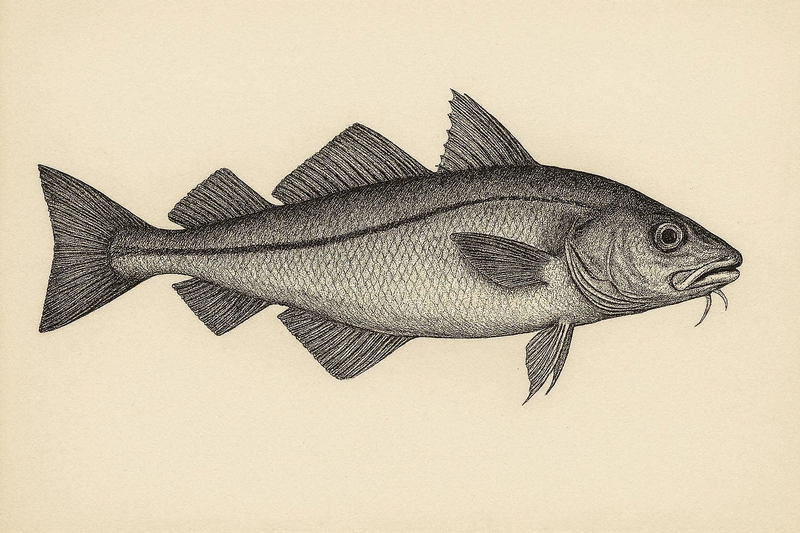
Haddock
Nutritional information per 100 grams
Nutrition Facts
| Calories | Protein | Fat | Carbs | Sugar | Fiber |
|---|---|---|---|---|---|
| 116 | 25g | 1g | 0g | 0g | 0g |
Highlights
Coming soon
About This Meat
Haddock is a lean, white-fleshed North Atlantic fish closely related to cod, sharing a similar macronutrient profile of high protein and very low fat. It provides a complete amino acid profile supporting muscle protein synthesis, immune function, and structural protein turnover across organ systems. The lean composition of haddock yields a high protein-to-calorie ratio that is valuable for lean mass preservation and satiety without excess caloric contribution from fat. Vitamin B12 is a primary nutritional strength of haddock and supports red blood cell maturation, central nervous system function, and methionine cycle integrity. Niacin is present in significant quantities and is central to NAD+ production, a coenzyme required for hundreds of metabolic reactions including glycolysis, the TCA cycle, and fatty acid oxidation. Selenium is well represented in haddock and supports thyroid hormone metabolism, spermatogenesis, and the selenoprotein antioxidant network. Phosphorus contributes to bone density and is a structural requirement for DNA, RNA, and adenosine triphosphate. Iodine content in haddock is notable and supports the synthesis of triiodothyronine and thyroxine, hormones that regulate metabolic rate, thermogenesis, and developmental processes. Magnesium supports enzymatic function, neuromuscular signaling, and insulin receptor activity. Potassium maintains intracellular ionic balance and supports both cardiac and skeletal muscle contractile function. Zinc is present in haddock and contributes to immune defense, wound healing, and the activity of zinc-dependent enzymes. The high digestibility of haddock protein and its favorable micronutrient density make it a strong lean protein option within carnivore and metabolically oriented dietary frameworks that prioritize thyroid health, energy metabolism, and musculoskeletal support.
Vitamins & Nutrients
- Selenium: 32mcg (antioxidant enzyme activation, thyroid hormone metabolism, immune defense)
- Vitamin B12: 2.1mcg (neurological integrity, red blood cell formation, DNA synthesis)
- Niacin (B3): 4.1mg (cellular energy metabolism, NAD coenzyme production, nervous system support)
- Vitamin B6: 0.33mg (protein metabolism, neurotransmitter synthesis, amino acid processing)
- Pantothenic Acid (B5): 0.49mg (fat metabolism, hormone synthesis, coenzyme A production)
- Iodine: 227mcg (thyroid hormone synthesis, metabolic rate regulation, cellular oxygen utilization)
- Phosphorus: 278mg (bone matrix integrity, ATP synthesis, cellular repair)
- Potassium: 351mg (electrolyte balance, cardiovascular function, muscular contraction)
- Magnesium: 26mg (enzyme activation, ATP production, nerve and muscle regulation)
- Choline: 130mg (neurotransmitter production, liver fat metabolism, cell membrane structural support)
- Riboflavin (B2): 0.07mg (mitochondrial energy production, cellular growth, metabolic coenzyme activity)
- Omega-3 Fatty Acids: 200mg (cardiovascular support, neural membrane integrity, inflammatory response regulation)
These values are approximate and can vary based on factors such as the specific cut of beef and cooking method.