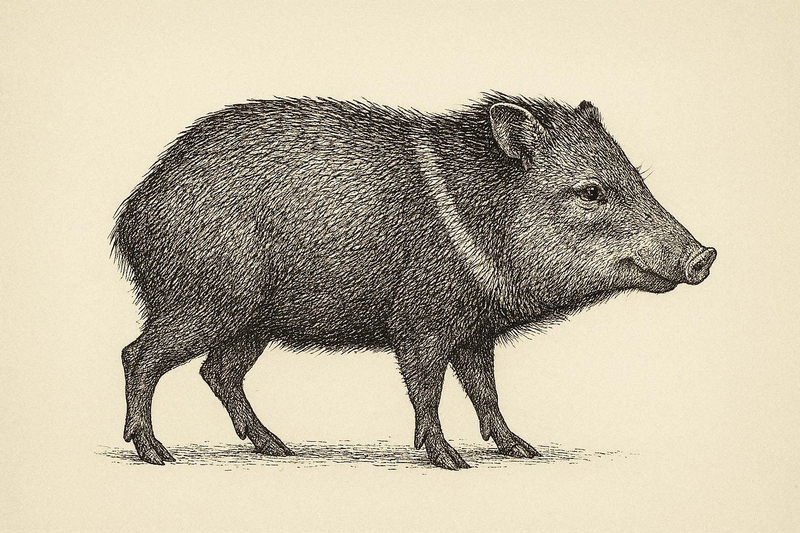
Javelina
Nutritional information per 100 grams
Nutrition Facts
| Calories | Protein | Fat | Carbs | Sugar | Fiber |
|---|---|---|---|---|---|
| 160 | 28g | 4g | 0g | 0g | 0g |
Highlights
Coming soon
About This Meat
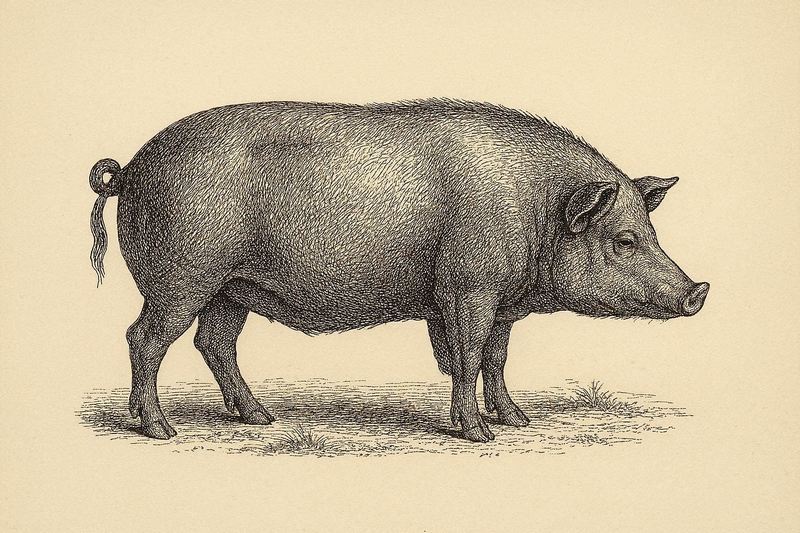
Javelina, also known as collared peccary, is a wild game animal native to the American Southwest and Latin America, and its meat provides a lean, protein-dense nutritional profile consistent with free-ranging, physically active animals. The macronutrient composition of javelina is characterized by high protein and low to moderate fat, reflecting the lean musculature typical of wild ungulates that cover significant terrain in search of food. As a complete protein source, javelina delivers the full complement of essential amino acids required for muscle tissue synthesis, enzyme production, and nitrogen balance. The heme iron content of javelina supports hemoglobin and myoglobin synthesis, oxygen transport in the bloodstream, and efficient aerobic energy metabolism in working muscle tissue. Zinc is present in quantities relevant to immune system activation, testosterone biosynthesis, and the catalytic function of hundreds of metalloenzymes in human physiology. B vitamins, including B12, niacin, and B6, are found in javelina meat and serve as cofactors in the metabolic pathways that convert protein, fat, and carbohydrate into ATP for cellular energy. The phosphorus content contributes to bone and dental mineralization as well as phosphorylation reactions central to metabolic signaling. Wild game animals like javelina typically carry lower intramuscular fat than grain-finished domesticated animals, and their fatty acid profiles tend to reflect more balanced omega-6 to omega-3 ratios due to diverse foraging diets. This difference in fat composition may have implications for inflammatory signaling pathways and cellular membrane function. Javelina meat represents a nutrient-dense, ancestrally relevant protein source that aligns with the nutritional characteristics of wild animal foods that have supported human metabolic health across evolutionary time.
Vitamins & Nutrients
- Cholesterol: 55mg (gonadal and adrenal steroid substrate, cell membrane microdomain structure, bile acid production)
- Sodium: 50mg (plasma osmolarity regulation, Na-K-ATPase pump function, neuromuscular signaling)
- Potassium: 300mg (intracellular dominant cation, cardiomyocyte repolarization, enzyme activation in glycolysis)
- Iron: 1.8mg (hemoglobin iron-oxygen binding, ferrous-dependent enzyme function, metabolic energy via cytochromes)
- Zinc: 2.2mg (zinc-finger transcription factor support, antimicrobial peptide activity, tissue regeneration)
- Phosphorus: 200mg (phosphate ester bond energy in ATP, nucleic acid backbone, calcium-phosphate bone crystal formation)
- Vitamin B12: 0.8mcg (cobalamin-dependent homocysteine remethylation, neuronal axon integrity, erythroid cell maturation)
- Vitamin B6: 0.45mg (pyridoxal phosphate transaminase support, glycogen catabolism, GABAergic neurotransmitter production)
- Niacin (B3): 5.0mg (NAD-driven redox metabolism, energy substrate conversion, mitochondrial respiratory chain)
- Riboflavin (B2): 0.15mg (FMN in NADH dehydrogenase complex, cellular growth and repair, vitamin B6 activation)
- Magnesium: 22mg (phosphodiesterase regulation, mitochondrial biogenesis support, RNA and DNA polymerase activity)
- Calcium: 10mg (calmodulin-mediated enzyme activation, actin-myosin cross-bridge cycling, neurotransmitter vesicle release)
- Thiamin (B1): 0.1mg (branched-chain alpha-keto acid dehydrogenase function, glucose-to-ATP pathway, nerve conduction support)
These values are approximate and can vary based on factors such as the specific cut of beef and cooking method.