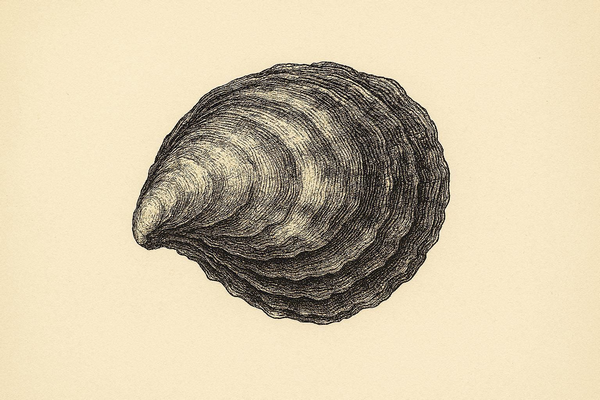
Oyster
Nutritional information per 100 grams
Nutrition Facts
| Calories | Protein | Fat | Carbs | Sugar | Fiber |
|---|---|---|---|---|---|
| 81 | 9g | 2g | 0g | 0g | 0g |
Highlights
Coming soon
About This Meat
Oysters are widely considered one of the most nutrient-dense animal foods available, with a micronutrient concentration that is exceptional relative to caloric content. They are the most concentrated dietary source of zinc, a mineral that is central to immune function, testosterone biosynthesis, sperm production, wound healing, and the structural integrity of hundreds of enzymes. Vitamin B12 is present at very high levels, supporting neurological signaling, myelin maintenance, and the methylation cycle. Copper content is significant, supporting iron metabolism, collagen formation, and mitochondrial energy production. Oysters provide substantial heme iron, directly supporting hemoglobin synthesis and oxygen transport. Selenium is found in oysters at levels that activate glutathione peroxidase and support thyroid hormone activation. Iodine is present, supporting thyroid hormone synthesis and metabolic rate regulation. The fat content of oysters is low, yet includes EPA and DHA, which support cardiovascular and neurological health. Oysters contain a notable concentration of vitamin D, which supports calcium absorption, immune modulation, and hormonal signaling through its role as a steroid precursor. Taurine is found at high concentrations in oysters, contributing to cardiovascular stability, bile salt metabolism, and neurological function. Glycogen is the primary carbohydrate stored in oysters, providing a small but readily available energy substrate. The complete amino acid profile and breadth of fat-soluble and water-soluble vitamins make oysters a uniquely comprehensive whole food for metabolic and hormonal support.
Vitamins & Nutrients
- Cholesterol: 55mg (involved in hormone synthesis, cellular membrane structure, and bile acid production)
- Sodium: 166mg (supports fluid balance, nerve impulse transmission, and muscle contraction)
- Potassium: 139mg (contributes to electrolyte balance, cardiovascular support, and muscular function)
- Phosphorus: 194mg (involved in ATP energy production, bone structure, and cellular repair)
- Magnesium: 35mg (supports muscle function, ATP synthesis, and nervous system regulation)
- Calcium: 116mg (helps maintain skeletal integrity, nerve signaling, and muscle contraction)
- Iron: 9.2mg (supports oxygen transport in red blood cells, red blood cell production, and metabolic energy)
- Zinc: 79mg (involved in immune signaling, testosterone production, enzyme activity, and tissue repair)
- Copper: 5.7mg (contributes to red blood cell formation, iron metabolism, and connective tissue synthesis)
- Manganese: 0.59mg (supports enzymatic reactions, bone metabolism, and carbohydrate processing)
- Selenium: 40mcg (contributes to thyroid hormone metabolism and antioxidant defense systems)
- Iodine: 160mcg (involved in thyroid hormone production and systemic metabolic regulation)
- Vitamin B12: 18mcg (supports neurological function, DNA synthesis, and red blood cell formation)
- Riboflavin (B2): 0.18mg (contributes to energy production and cellular growth processes)
- Niacin (B3): 1.9mg (involved in cellular energy metabolism and nervous system support)
- Pantothenic Acid (B5): 0.45mg (supports fat metabolism and adrenal hormone synthesis)
- Folate (B9): 14mcg (involved in DNA synthesis and cell division)
- Vitamin A: 26mcg (supports visual function, epithelial integrity, and immune signaling)
- Vitamin E: 1.7mg (contributes to antioxidant protection and cellular membrane integrity)
- Choline: 90mg (supports liver function, cellular membrane structure, and neurotransmitter synthesis)
- Taurine: present (a sulfur-containing compound involved in cardiovascular function and bile acid conjugation)
- Omega-3 Fatty Acids (EPA/DHA): 0.6g (help maintain cardiovascular and neurological function)
These values are approximate and can vary based on factors such as the specific cut of beef and cooking method.