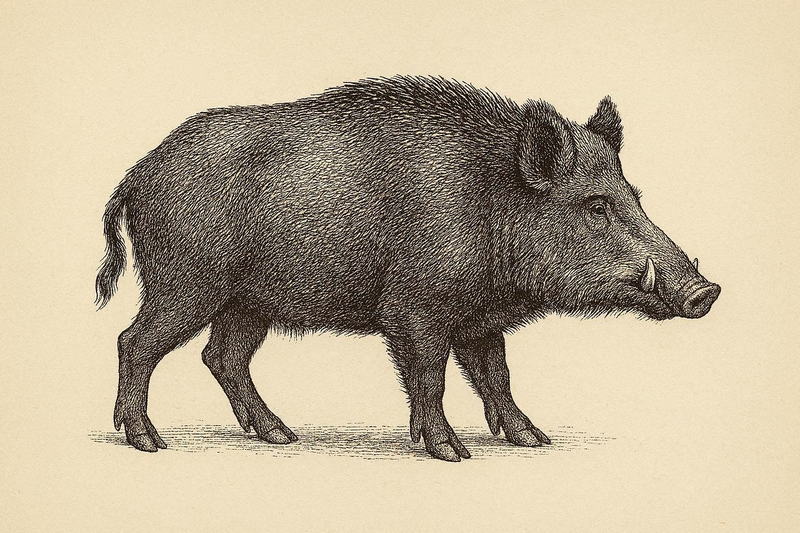
Wild Boar
Nutritional information per 100 grams
Nutrition Facts
| Calories | Protein | Fat | Carbs | Sugar | Fiber |
|---|---|---|---|---|---|
| 160 | 28g | 4g | 0g | 0g | 0g |
Highlights
Coming soon
About This Meat
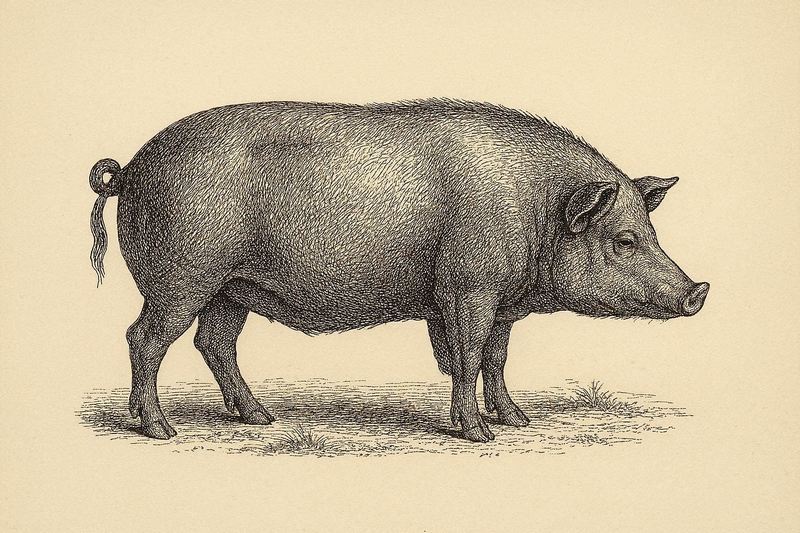
Wild boar is the undomesticated ancestor of the modern pig and offers a nutritional profile that diverges from conventional pork in several meaningful ways due to its natural diet, physical activity levels, and absence of agricultural intervention. It is significantly leaner than farmed pork, with lower total fat and a higher protein-to-calorie ratio, making it a concentrated source of complete amino acids relative to its caloric load. The full spectrum of essential amino acids is present in wild boar muscle tissue, supporting muscle protein synthesis, enzymatic function, and structural protein turnover across body systems. Because wild boar forage on diverse natural foods including roots, fungi, nuts, and vegetation, their fatty acid composition is nutritionally distinct from grain-fed swine, with lower omega-6 concentrations and a more balanced polyunsaturated fat profile. Heme iron is present and contributes to daily requirements for hemoglobin and myoglobin synthesis, oxygen transport, and mitochondrial respiration. Zinc is supplied in meaningful quantities and is involved in immune competence, wound healing, testosterone biosynthesis, and over 300 enzymatic reactions throughout the body. B12 is well-represented and is essential for the maintenance of neurological function and the synthesis of red blood cells. Niacin, riboflavin, and B6 contribute to the metabolic processing of proteins, fats, and carbohydrates, and to the synthesis of neurotransmitter precursors including serotonin and dopamine. Selenium is present and serves antioxidant functions through glutathione peroxidase activity and supports thyroid hormone activation. Phosphorus and potassium are found in notable amounts, contributing to skeletal integrity, acid-base balance, and intracellular fluid regulation. The physical demands of wild foraging result in musculature with higher concentrations of myoglobin and mitochondria-rich slow-twitch fibers, which correlates with elevated levels of heme iron and creatine relative to sedentary farmed animals. Wild boar provides a nutritionally substantive animal protein that fits well within carnivore and nose-to-tail dietary frameworks.
Vitamins & Nutrients
- Cholesterol: 77mg (steroid hormone biosynthesis, bile acid precursor, membrane fluidity regulation)
- Sodium: 60mg (nerve impulse conduction, fluid osmolarity, electrolyte balance)
- Potassium: 396mg (intracellular electrical potential, heart rhythm support, skeletal muscle function)
- Iron: 1.1mg (oxygen-carrying hemoglobin support, myoglobin oxygen storage in muscle, enzyme cofactor)
- Zinc: 3mg (immune defense, protein synthesis, cell division support, over 200 enzymatic roles)
- Selenium: 13mcg (selenoprotein synthesis, antioxidant enzyme activity, thyroid hormone metabolism)
- Vitamin B12: 0.7mcg (neurological membrane support, red blood cell production, DNA replication)
- Vitamin B6: 0.42mg (amino acid transamination, serotonin and dopamine synthesis, glycogen utilization)
- Niacin (B3): 4.2mg (NAD-based cellular energy production, oxidative metabolism support)
- Riboflavin (B2): 0.14mg (FAD cofactor production, mitochondrial electron transport, tissue maintenance)
- Thiamin (B1): 0.31mg (glucose oxidation, nerve signal propagation, pyruvate metabolism)
- Vitamin E: 0.38mg (free radical neutralization, immune cell protection, lipid membrane stability)
- Vitamin K: 1.4mcg (prothrombin activation, osteocalcin carboxylation, clotting cascade support)
- Folate: 6mcg (purine and pyrimidine synthesis, homocysteine conversion, methylation reactions)
- Phosphorus: 134mg (bone mineral matrix, ATP phosphate group donor, intracellular signaling)
- Choline: 117mg (membrane phosphatidylcholine, neural acetylcholine production, liver lipid metabolism)
- Omega-3 Fatty Acids: 120mg (inflammation resolution signaling, cell membrane composition, neurological support)
These values are approximate and can vary based on factors such as the specific cut of beef and cooking method.