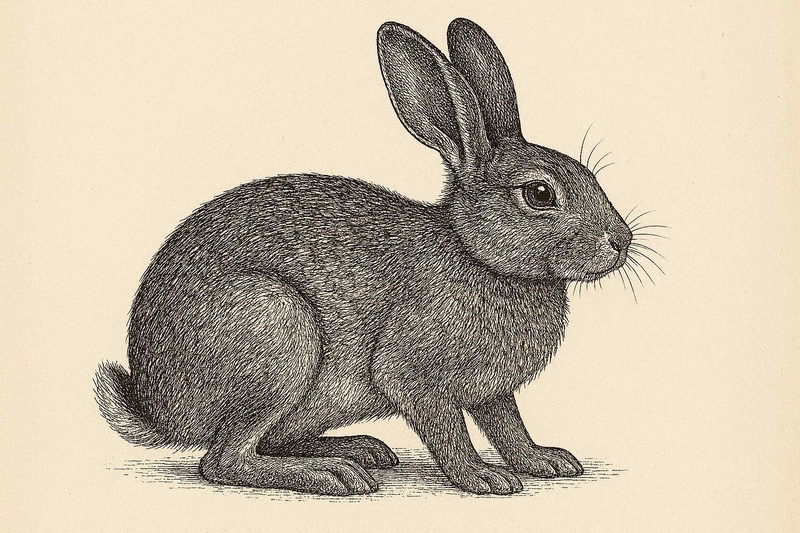
Rabbit
Nutritional information per 100 grams
Nutrition Facts
| Calories | Protein | Fat | Carbs | Sugar | Fiber |
|---|---|---|---|---|---|
| 173 | 33g | 3g | 0g | 0g | 0g |
Highlights
Coming soon
About This Meat
Rabbit is one of the leanest animal protein sources available, with a macronutrient profile heavily weighted toward protein and very low in total fat, including saturated fat. This makes it one of the highest protein-to-calorie ratio meats found in the traditional human food supply. Rabbit is a complete protein, providing all essential amino acids in quantities sufficient to support muscle protein synthesis, tissue repair, and the biosynthesis of structural and functional proteins throughout the body. Its exceptionally low fat content means it delivers protein efficiently without significant caloric contribution from lipids, though this also means it lacks the fat-soluble vitamins and fatty acid diversity found in fattier meats. Rabbit is a meaningful source of vitamin B12, which is critical for neurological integrity, red blood cell maturation, and methylation reactions involved in gene expression. It provides niacin in substantial quantities, supporting cellular energy production through the NAD and NADH coenzyme systems. Phosphorus content is notable, contributing to bone density, acid-base buffering, and the phosphate backbone of DNA and RNA. Selenium is present and supports thyroid gland function and oxidative stress regulation. The high protein density of rabbit creates a strong satiety response and supports lean mass preservation, particularly relevant for individuals managing body composition. One consideration with very lean meats like rabbit is the requirement for adequate dietary fat from other sources to prevent protein-dominant imbalances in the diet, as excess protein without sufficient fat can stress gluconeogenic pathways.
Vitamins & Nutrients
- Cholesterol: 82mg (steroid hormone biosynthesis, cellular membrane cholesterol rafts, bile acid formation)
- Sodium: 47mg (plasma volume regulation, neuromuscular transmission, renal reabsorption)
- Potassium: 330mg (myocardial electrical conduction, skeletal muscle twitch regulation, intracellular cation balance)
- Iron: 2.3mg (heme-dependent oxygen delivery, mitochondrial electron transport, ferritin storage pool contribution)
- Zinc: 2.0mg (immune synapse function, wound tissue repair, carbonic anhydrase activity)
- Selenium: 15mcg (glutathione peroxidase and thioredoxin reductase support, thyroid selenium incorporation, cellular antioxidant status)
- Vitamin B12: 6.5mcg (neuronal myelin integrity, DNA strand synthesis, methyl group transfer reactions)
- Vitamin B6: 0.5mg (pyridoxal phosphate-dependent transamination, tryptophan-to-niacin conversion, heme biosynthesis)
- Niacin (B3): 7.0mg (NAD-linked dehydrogenase activity, sirtuin enzyme support, oxidative and reductive metabolism)
- Riboflavin (B2): 0.19mg (electron transfer in flavoproteins, oxidative phosphorylation, amino acid catabolism support)
- Pantothenic Acid (B5): 0.9mg (acetyl-CoA gateway to TCA cycle, lipoic acid synthesis cofactor, coenzyme A production)
- Thiamin (B1): 0.06mg (transketolase activity in pentose phosphate pathway, ATP generation from carbohydrates, nerve cell energy)
- Vitamin E: 0.5mg (lipid-soluble membrane antioxidant, polyunsaturated fatty acid protection, immune cell integrity)
- Phosphorus: 225mg (ATP and creatine phosphate synthesis, ribosomal RNA structural component, bone hydroxyapatite)
- Magnesium: 25mg (NMDA receptor modulation, mitochondrial membrane potential, protein kinase cofactor)
- Copper: 0.15mg (lysyl oxidase crosslinking in collagen and elastin, iron oxidation in ceruloplasmin, neuromelanin synthesis)
These values are approximate and can vary based on factors such as the specific cut of beef and cooking method.