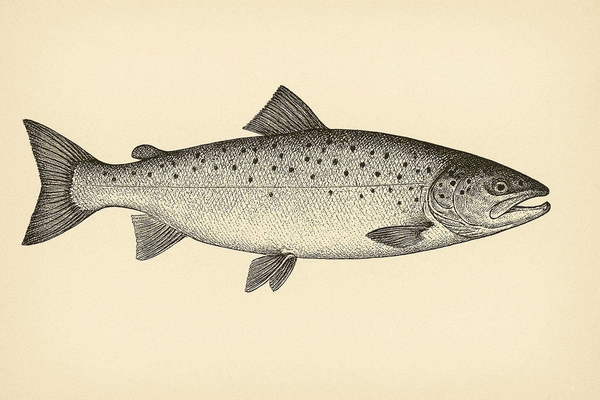
Salmon
Nutritional information per 100 grams
Nutrition Facts
| Calories | Protein | Fat | Carbs | Sugar | Fiber |
|---|---|---|---|---|---|
| 206 | 22g | 13g | 0g | 0g | 0g |
Highlights
Coming soon
About This Meat
Salmon is one of the most nutritionally significant animal-based foods available, distinguished primarily by its exceptional content of long-chain omega-3 fatty acids, EPA and DHA. EPA and DHA are structural and signaling lipids that support cell membrane fluidity, cardiovascular function, neurological integrity, and the resolution of systemic inflammation. The macronutrient profile of salmon is protein and fat dominant, with no carbohydrate content, making it directly compatible with fat-adapted and ketogenic metabolic states. Protein quality is high, providing a full complement of essential amino acids including those that support collagen synthesis, neurotransmitter production, and muscle protein turnover. Salmon is one of the few dietary sources of vitamin D3, a fat-soluble hormone precursor that regulates calcium metabolism, immune gene expression, and cellular differentiation. Astaxanthin, the carotenoid that gives wild salmon its characteristic pigmentation, functions as a potent fat-soluble antioxidant that protects lipids, mitochondria, and cellular DNA from oxidative damage. B vitamins are abundant in salmon, including B12, B3 (niacin), B6, and B5 (pantothenic acid), all of which participate in mitochondrial energy production through the citric acid cycle and oxidative phosphorylation. Selenium levels are high, supporting thyroid hormone activation, antioxidant enzyme systems, and reproductive health. Potassium and phosphorus content support electrolyte balance, nerve signaling, and bone mineralization. Iodine supports thyroid hormone synthesis and basal metabolic regulation. The combination of omega-3 fatty acids and fat-soluble vitamins in salmon creates a particularly bioavailable lipid environment that enhances the absorption of co-consumed fat-soluble nutrients. Salmon represents a foundational food within carnivore and animal-based dietary frameworks due to the breadth and bioavailability of its nutrient profile.
Vitamins & Nutrients
- Cholesterol: 55mg (steroid hormone precursor, cellular membrane structure)
- Sodium: 44mg (fluid balance, nerve signal transmission, electrolyte regulation)
- Potassium: 490mg (muscular contraction, cardiovascular regulation, intracellular electrolyte balance)
- Phosphorus: 200mg (ATP energy production, bone matrix support, cellular repair)
- Iron: 0.8mg (oxygen transport, hemoglobin synthesis, metabolic energy)
- Magnesium: 29mg (enzyme activation, ATP synthesis, neuromuscular regulation)
- Calcium: 12mg (skeletal integrity, neuromuscular transmission, intracellular signaling)
- Zinc: 0.64mg (immune function, protein synthesis, tissue maintenance)
- Copper: 0.3mg (iron oxidation, collagen formation, mitochondrial function)
- Selenium: 36.5mcg (antioxidant enzyme production, thyroid hormone metabolism, immune defense)
- Vitamin B12: 3.2mcg (neurological function, DNA synthesis, red blood cell production)
- Vitamin B3 (Niacin): 7.86mg (NAD coenzyme activity, cellular energy transfer, nervous system support)
- Vitamin B6: 0.82mg (amino acid metabolism, neurotransmitter synthesis, protein utilization)
- Vitamin B5 (Pantothenic Acid): 1.16mg (coenzyme A synthesis, fatty acid oxidation, adrenal hormone production)
- Vitamin B1 (Thiamin): 0.23mg (carbohydrate metabolism, nerve conduction, pyruvate decarboxylation)
- Vitamin B2 (Riboflavin): 0.38mg (cellular energy metabolism, electron transport chain support)
- Vitamin D: 526 IU (calcium absorption, immune cell differentiation, bone mineral regulation)
- Omega-3 Fatty Acids (EPA and DHA): 2018mg (cell membrane fluidity, neurological signaling, anti-inflammatory eicosanoid production)
- Astaxanthin: 0.5mg (carotenoid antioxidant activity, mitochondrial membrane protection, oxidative stress reduction)
- Folate: 25mcg (DNA synthesis, cell division support, methylation pathway activity)
These values are approximate and can vary based on factors such as the specific cut of beef and cooking method.