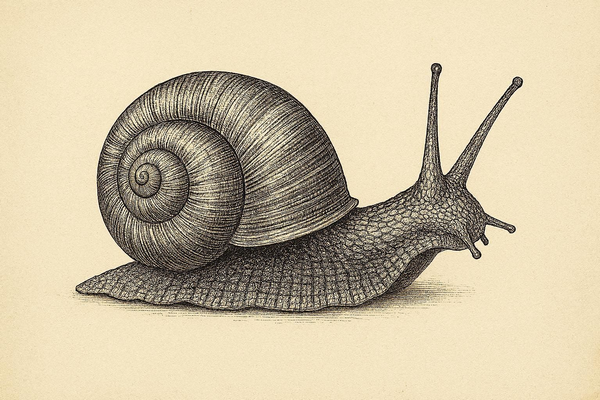
Snails
Nutritional information per 100 grams
Nutrition Facts
| Calories | Protein | Fat | Carbs | Sugar | Fiber |
|---|---|---|---|---|---|
| 90 | 16g | 1g | 0g | 0g | 0g |
Highlights
Coming soon
About This Meat
Snails, commonly consumed as escargot in culinary traditions, represent one of the more underappreciated animal-based protein sources in terms of raw nutrient density. They deliver a high-protein, low-fat macronutrient profile that supports lean tissue maintenance without a significant caloric burden. Snails are an exceptional source of iron, providing heme-adjacent iron that supports hemoglobin synthesis and oxygen transport throughout the body. Magnesium is present in notable quantities, playing roles in over 300 enzymatic reactions including those governing energy metabolism, nerve conduction, and muscle contraction. They contain significant concentrations of selenium, which supports glutathione peroxidase activity and protects cells from oxidative stress. Vitamin B12 content in snails is high, reinforcing neurological integrity and supporting methylation pathways. Snails also contain vitamin E, a fat-soluble antioxidant that contributes to membrane protection and immune function. Zinc content supports immune defense, reproductive hormone activity, and protein synthesis. Phosphorus and calcium are both present, contributing to bone density and cellular signaling. The connective tissue in snails provides glycine-rich structural proteins, which support collagen synthesis and joint integrity. Snails have a notable copper content, which is essential for iron metabolism, mitochondrial function, and collagen cross-linking. Their overall mineral density makes them a particularly efficient food source for individuals focused on micronutrient repletion through animal-based nutrition.
Vitamins & Nutrients
- Cholesterol: 50mg (cellular membrane function, steroid hormone production)
- Sodium: 70mg (fluid regulation, nerve impulse transmission, muscle contraction)
- Potassium: 382mg (electrolyte balance, cardiovascular rhythm, muscular function)
- Iron: 3.5mg (hemoglobin synthesis, oxygen delivery, metabolic energy production)
- Magnesium: 250mg (muscle and nerve regulation, ATP synthesis, enzymatic activity)
- Phosphorus: 272mg (bone mineralization, ATP energy production, cellular repair)
- Calcium: 10mg (neuromuscular transmission, skeletal support, blood coagulation)
- Zinc: 1mg (immune defense, hormone regulation, protein synthesis)
- Copper: 0.4mg (iron oxidation, connective tissue formation, mitochondrial energy production)
- Selenium: 27.4mcg (glutathione peroxidase activity, thyroid metabolism, cellular protection)
- Vitamin A: 100mcg (retinal function, epithelial tissue maintenance, immune modulation)
- Vitamin E: 5mg (lipid peroxidation defense, antioxidant cellular protection)
- Vitamin B12: 0.5mcg (neurological maintenance, red blood cell maturation, DNA replication)
- Vitamin B2 (Riboflavin): 0.12mg (energy metabolism, electron transport chain support)
- Vitamin B3 (Niacin): 1.4mg (cellular energy transfer, NAD coenzyme activity)
- Vitamin B6: 0.13mg (protein metabolism, neurotransmitter synthesis, amino acid conversion)
- Folate: 6mcg (DNA synthesis, cell division support, one-carbon metabolic pathways)
These values are approximate and can vary based on factors such as the specific cut of beef and cooking method.