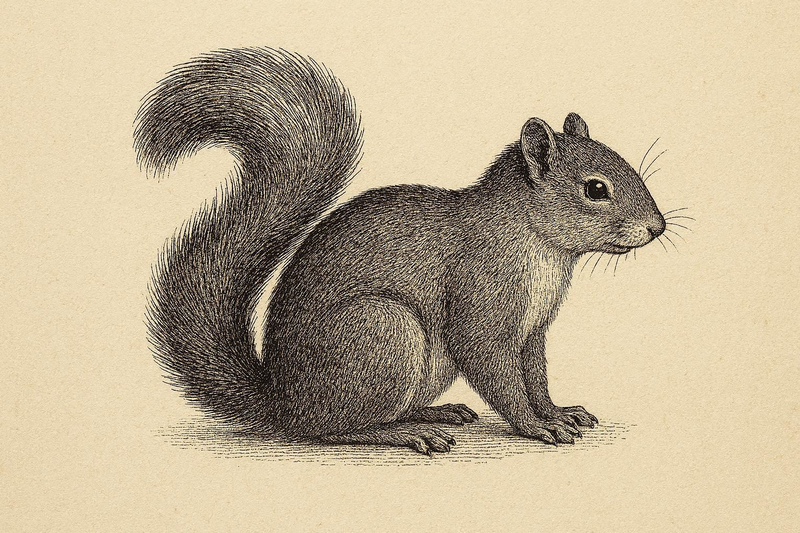
Squirrel
Nutritional information per 100 grams
Nutrition Facts
| Calories | Protein | Fat | Carbs | Sugar | Fiber |
|---|---|---|---|---|---|
| 173 | 27g | 7g | 0g | 0g | 0g |
Highlights
Coming soon
About This Meat
Squirrel meat is a small-game protein source with a lean macronutrient profile that has been used as a sustenance food across numerous traditional and rural cultures. Protein content is high relative to body mass, and the amino acid composition is complete, supporting muscle protein synthesis, tissue maintenance, and cellular repair. Fat content is low, reflecting the lean musculature characteristic of small, highly active arboreal mammals. The modest fat fraction contains a proportion of polyunsaturated fatty acids, consistent with the acorn- and nut-heavy diet common to squirrels in forested environments. B vitamins, including niacin, B6, and B12, are present and support energy metabolism through the citric acid cycle and oxidative phosphorylation. Heme iron is available in squirrel muscle tissue, contributing to hemoglobin and myoglobin synthesis. Zinc supports immune function, protein synthesis, and hormone metabolism. Selenium supports glutathione peroxidase activity and thyroid hormone conversion. Phosphorus contributes to nucleotide synthesis and bone mineral density. The lean protein profile supports satiety and metabolic rate through the thermic effect of food, relevant in caloric management contexts. Squirrel meat provides glycine-rich connective tissue in whole-animal preparation, supporting collagen synthesis and gut mucosal integrity. The small muscle fiber structure is characteristic of fast-twitch dominant musculature in active wild animals. Potassium assists in maintaining cellular membrane potential and cardiovascular function. Squirrel is a complete, bioavailable animal protein that fits within the broader category of wild small game and contributes meaningfully to a nutrient-dense animal-based dietary approach.
Vitamins & Nutrients
- Cholesterol: 121mg (sex hormone precursor, bile production, neuronal membrane composition)
- Sodium: 119mg (fluid regulation, action potential generation, kidney filtration support)
- Potassium: 352mg (muscle contraction, electrolyte homeostasis, cardiovascular function)
- Iron: 6.8mg (oxygen-carrying capacity, heme protein activity, cellular respiration)
- Phosphorus: 211mg (bone density maintenance, energy transfer via ATP, cell membrane integrity)
- Zinc: 3.0mg (immune response modulation, DNA repair, enzymatic catalysis)
- Selenium: 14mcg (antioxidant selenoprotein activity, thyroid hormone conversion, sperm motility support)
- Magnesium: 20mg (muscle and nerve function, protein synthesis, blood glucose regulation)
- Calcium: 3mg (bone and tooth mineralization, intracellular signaling, muscle fiber activation)
- Vitamin B12: 6.5mcg (DNA synthesis, neurological function, red blood cell development)
- Niacin (B3): 4.6mg (NAD coenzyme function, cellular energy metabolism, skin tissue support)
- Vitamin B2 (Riboflavin): 0.3mg (flavoprotein reactions, energy production, cellular growth)
- Vitamin B6: 0.4mg (amino acid catabolism, neurotransmitter formation, immune function)
- Pantothenic Acid (B5): 0.9mg (fatty acid synthesis, coenzyme A production, metabolic energy)
- Vitamin B1 (Thiamin): 0.1mg (pyruvate decarboxylation, carbohydrate energy release)
- Choline: 122.9mg (phospholipid biosynthesis, acetylcholine neurotransmission, liver fat metabolism)
- Vitamin E: 0.4mg (membrane lipid protection, antioxidant cellular defense)
- Vitamin K: 1.4mcg (clotting factor activation, osteocalcin carboxylation)
These values are approximate and can vary based on factors such as the specific cut of beef and cooking method.