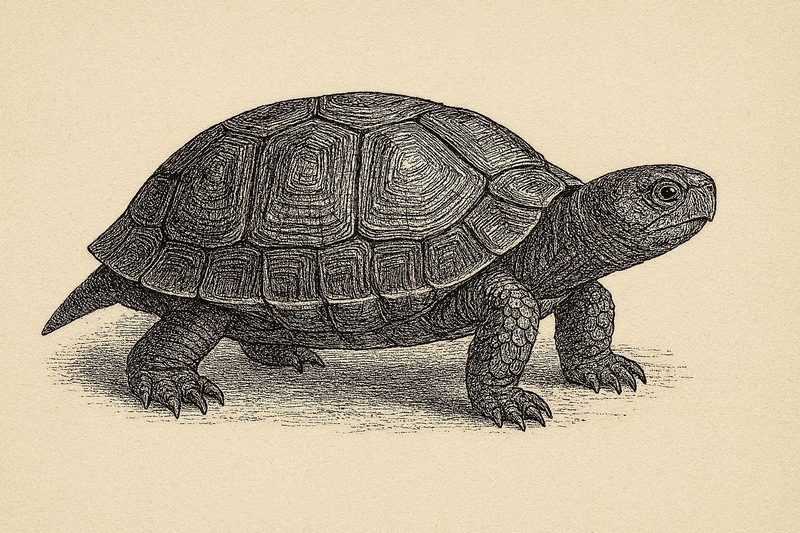
Turtle
Nutritional information per 100 grams
Nutrition Facts
| Calories | Protein | Fat | Carbs | Sugar | Fiber |
|---|---|---|---|---|---|
| 105 | 21g | 2g | 0g | 0g | 0g |
Highlights
Coming soon
About This Meat
Turtle meat is a distinctive animal protein with a lean to moderately fat macronutrient profile that varies across species, with aquatic turtles generally providing a higher degree of polyunsaturated fat than terrestrial species. Protein content is high relative to fat, and the essential amino acid composition is complete, supporting muscle maintenance, cellular repair, and systemic nitrogen metabolism. The fat in aquatic turtle species contains omega-3 fatty acids in proportions that reflect the aquatic food chain, which may contribute to cellular membrane fluidity and eicosanoid balance. B12 is present and critical for DNA synthesis and neurological function. Niacin supports the NAD coenzyme pool central to oxidative energy metabolism. Iron in the heme form supports erythropoiesis and tissue oxygenation. Zinc supports immune competency and enzymatic catalysis across numerous biological systems. Selenium provides support for antioxidant defense and thyroid hormone activation through selenoprotein pathways. Turtle meat contains multiple muscle types due to the animal's unique morphology, providing a varied tissue composition including both fast-twitch and slow-twitch muscle fiber profiles. Phosphorus contributes to bone mineral density and ATP synthesis. Turtle eggs, where consumed, provide a dense source of fat-soluble vitamins including vitamin A and D in their preformed animal forms. Turtle has been consumed as a protein and fat source by coastal and riverine cultures globally for thousands of years. In whole-animal traditions, organ meats from turtle contribute additional fat-soluble vitamin density. Turtle meat occupies a nutritional position consistent with other lean aquatic animal proteins while offering a unique fatty acid contribution from aquatic-diet species.
Vitamins & Nutrients
- Cholesterol: 50mg (cellular membrane fluidity, steroid hormone synthesis, bile acid precursor)
- Sodium: 68mg (fluid compartment regulation, nerve conduction, electrolyte homeostasis)
- Potassium: 230mg (intracellular osmotic balance, muscle contraction, cardiac function)
- Iron: 1.4mg (oxygen transport, red blood cell synthesis, enzymatic heme activity)
- Zinc: 2.0mg (immune defense, tissue regeneration, hormone synthesis support)
- Copper: 0.2mg (iron metabolism, antioxidant enzyme activation, connective tissue biosynthesis)
- Selenium: 15mcg (selenoprotein antioxidant function, thyroid hormone conversion, immune modulation)
- Magnesium: 20mg (muscle relaxation, nerve function, ATP energy transfer)
- Phosphorus: 180mg (bone structure, phospholipid membrane integrity, metabolic energy production)
- Calcium: 118mg (skeletal mineralization, intracellular signaling cascades, muscle activation)
- Vitamin A: 100 IU (epithelial cell maintenance, visual cycle support, immune cell differentiation)
- Vitamin B1 (Thiamin): 0.1mg (energy substrate processing, carbohydrate metabolism, peripheral nerve support)
- Vitamin B2 (Riboflavin): 0.2mg (oxidative energy metabolism, growth factor support)
- Niacin (B3): 1.1mg (NAD-dependent cellular metabolism, DNA damage response)
- Vitamin B6: 0.1mg (amino acid metabolism, neurotransmitter precursor synthesis)
- Vitamin B12: 1.0mcg (neurological function, red blood cell maturation, DNA synthesis)
- Choline: 65mg (phosphatidylcholine synthesis, neuronal acetylcholine signaling)
- Vitamin E: 0.5mg (lipid membrane antioxidant protection, cellular oxidative defense)
These values are approximate and can vary based on factors such as the specific cut of beef and cooking method.